Modeling & Materials
Weekly Design Challenge Template
Chengyu Yang - Interaction Design, Year 2
Weekly Formstorming design challenges for DESN 27425. Each challenge is a 5x5 grid of 25 iterations: photos of real objects and screenshots of my 3D modelling process. Click any image for a description.
Module 1
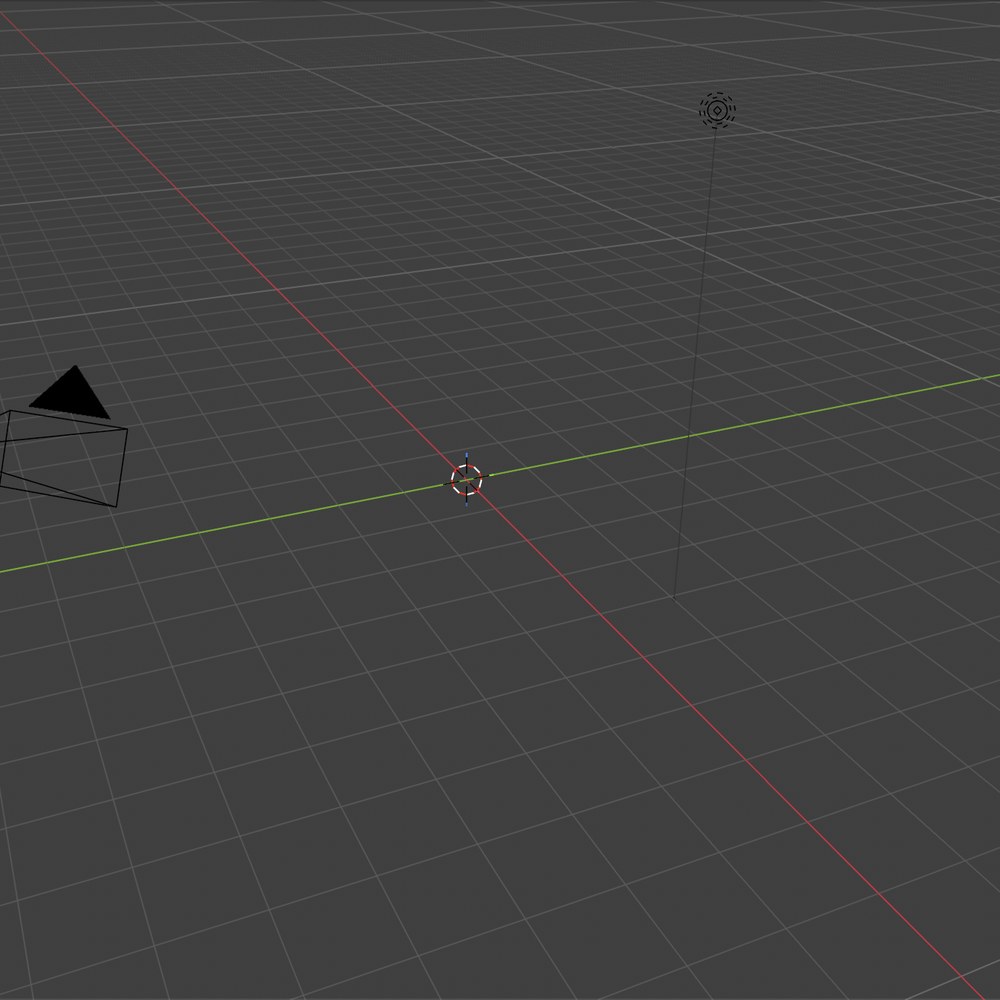
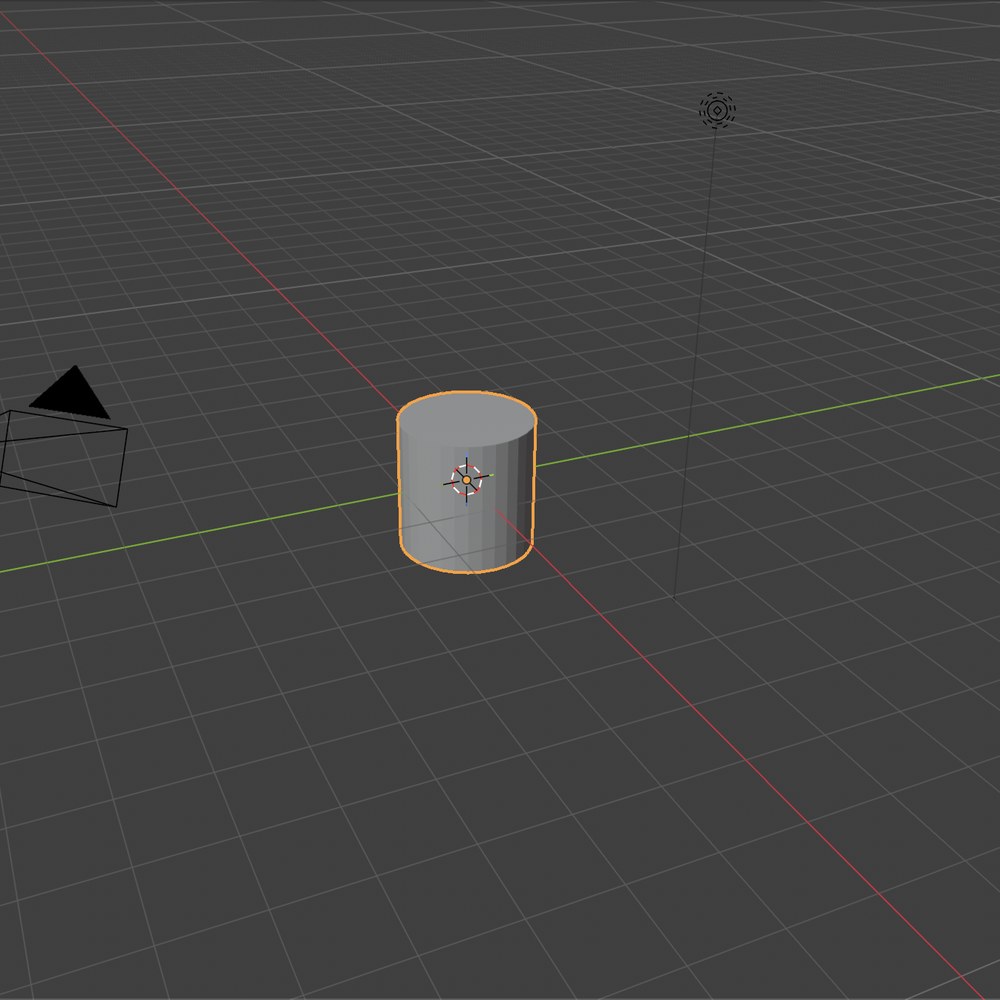
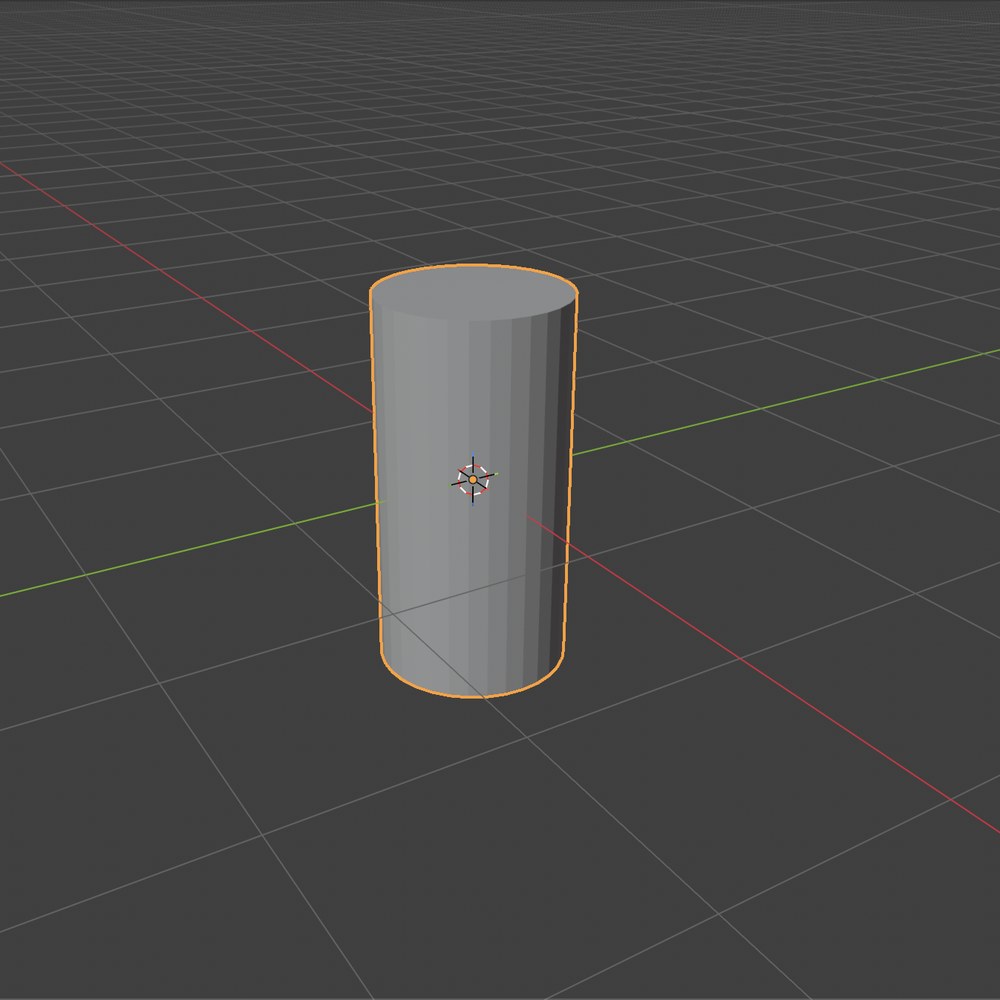
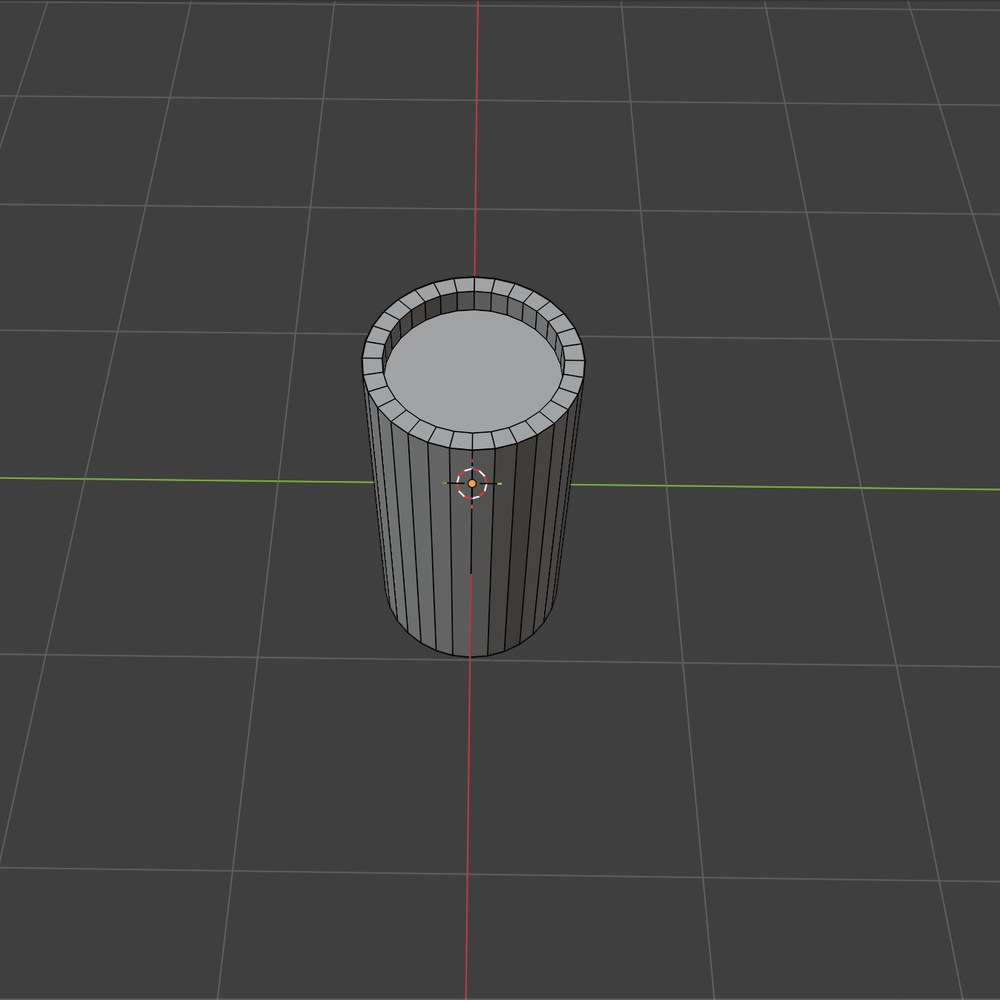
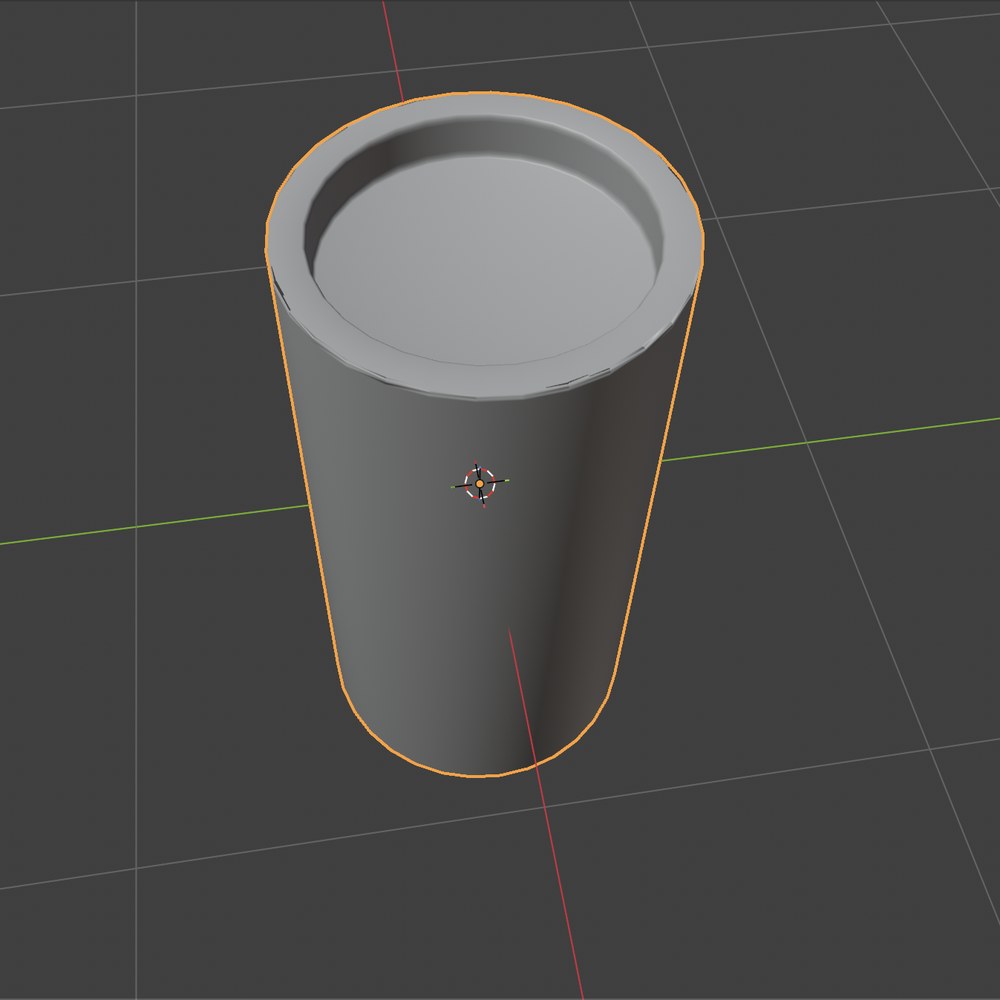
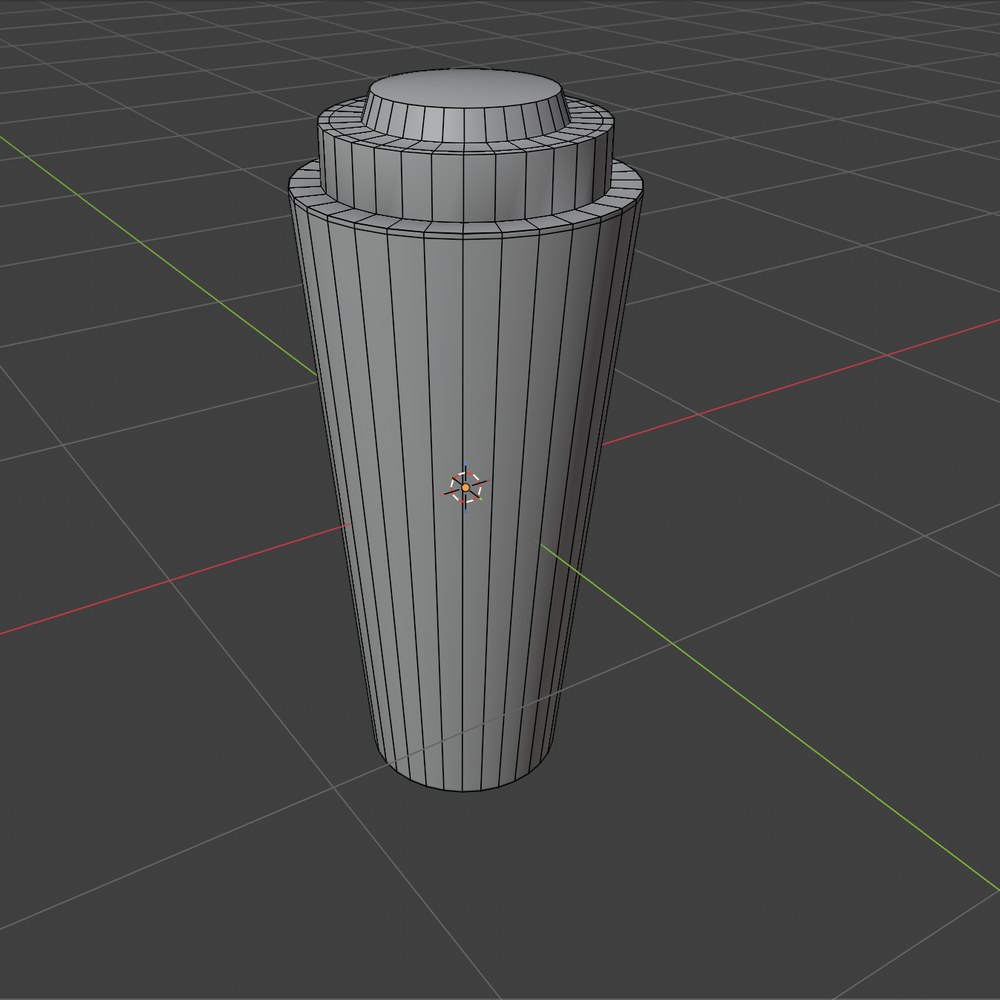
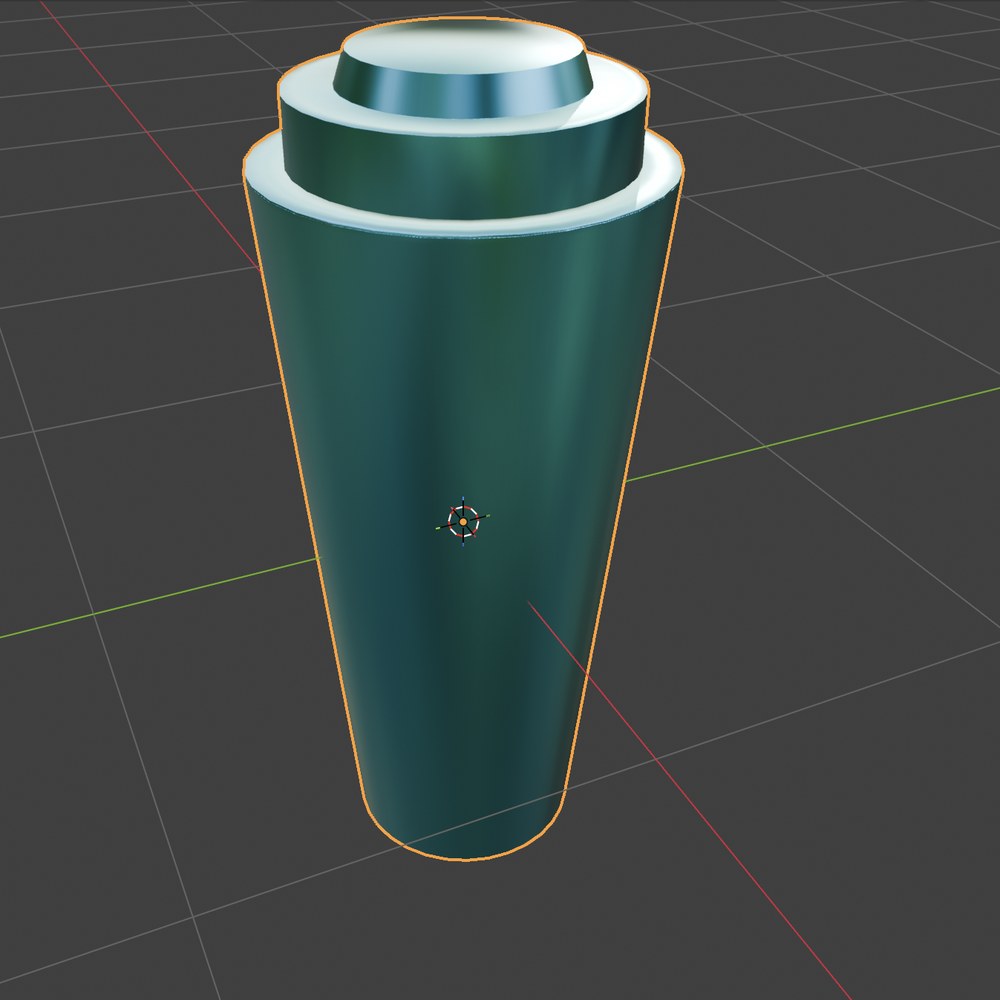
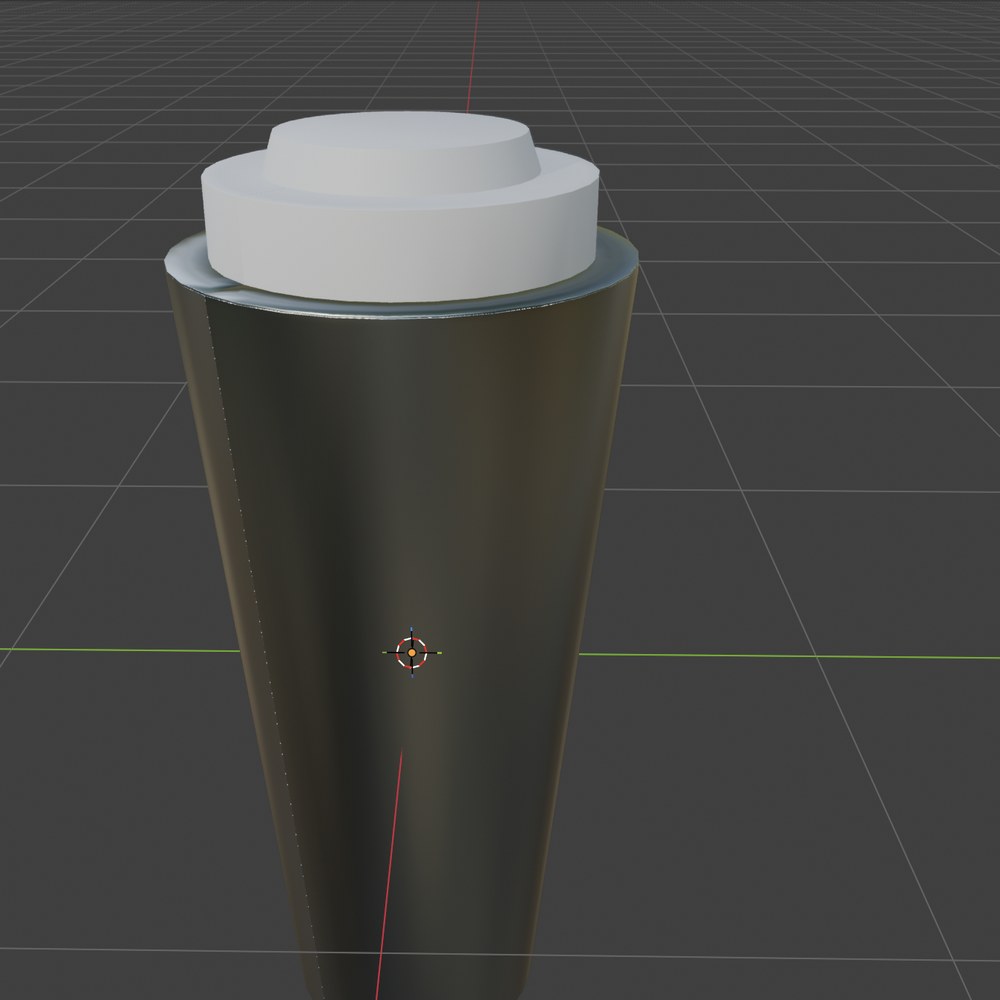
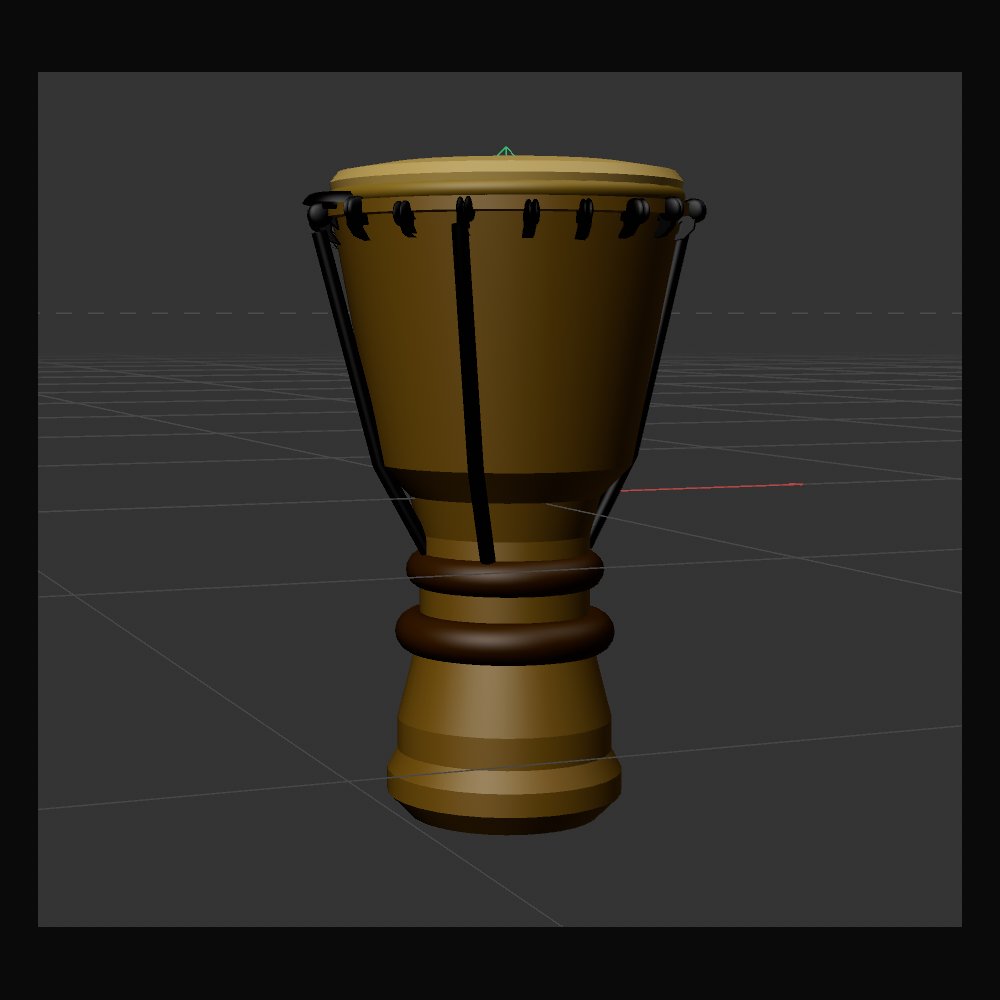
Module 1 - Stuff: Objects as Data. Selecting everyday objects (5 primitive shapes + 3 complex ones), photographing them, and learning 3D modelling by re-creating one of them. I started with Blender 5.2 while waiting for my Cinema 4D licence, and modelled a reusable coffee cup from a cylinder primitive. In Design Challenge 2 I compared AI 3D generation (Tripo) with modelling by hand in Cinema 4D, focusing on a game controller and a djembe drum.
Design Challenge 1
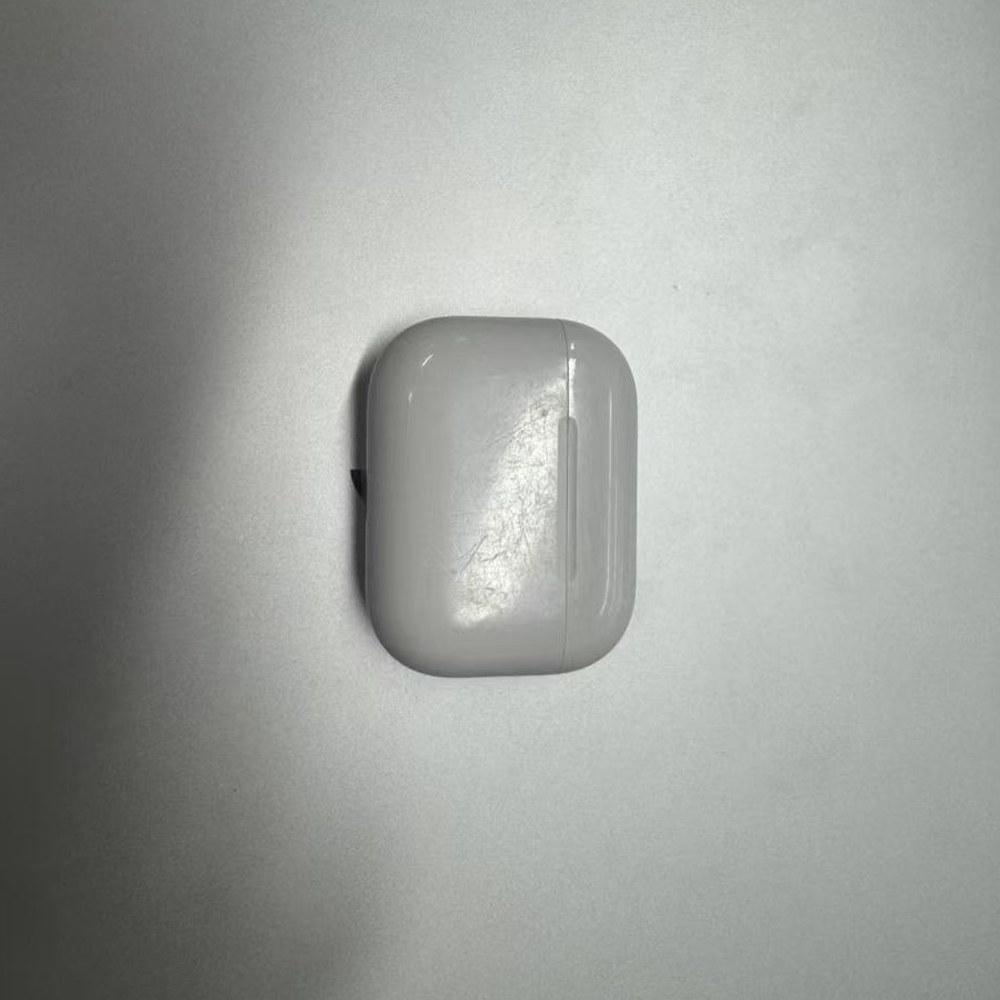
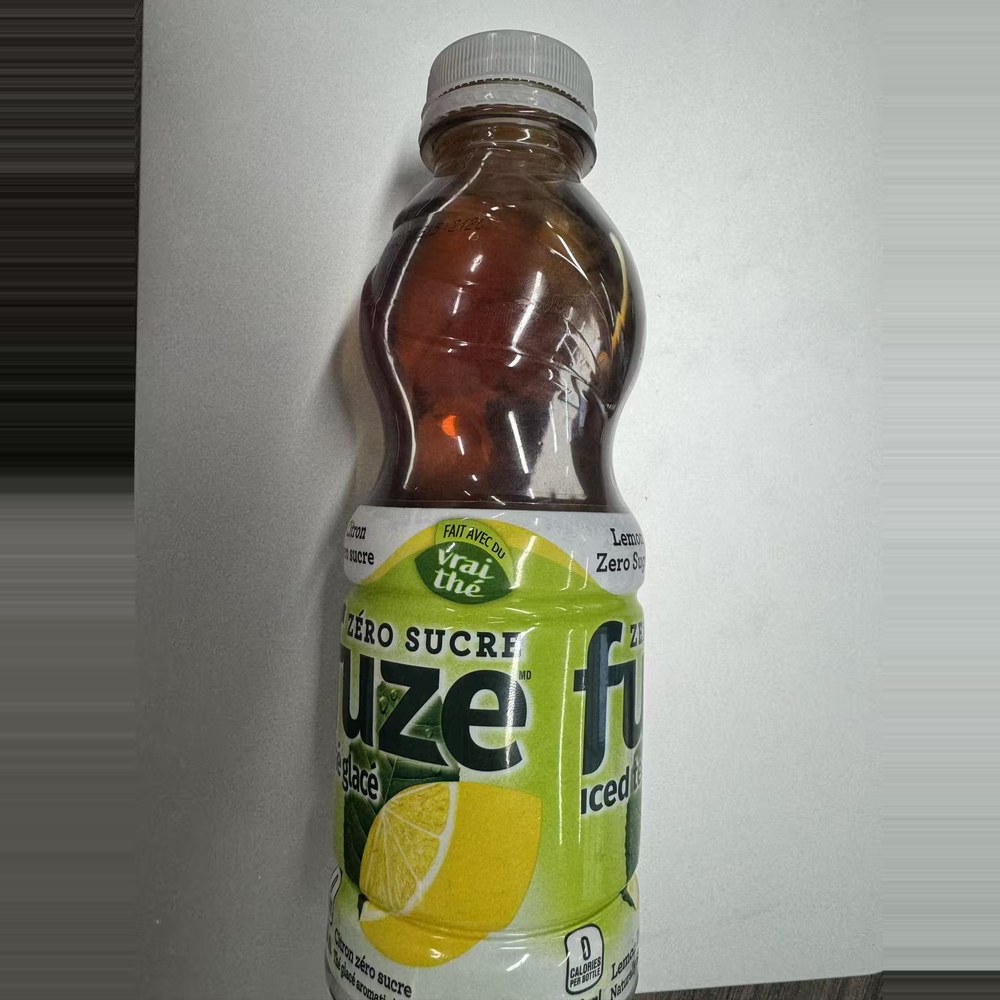
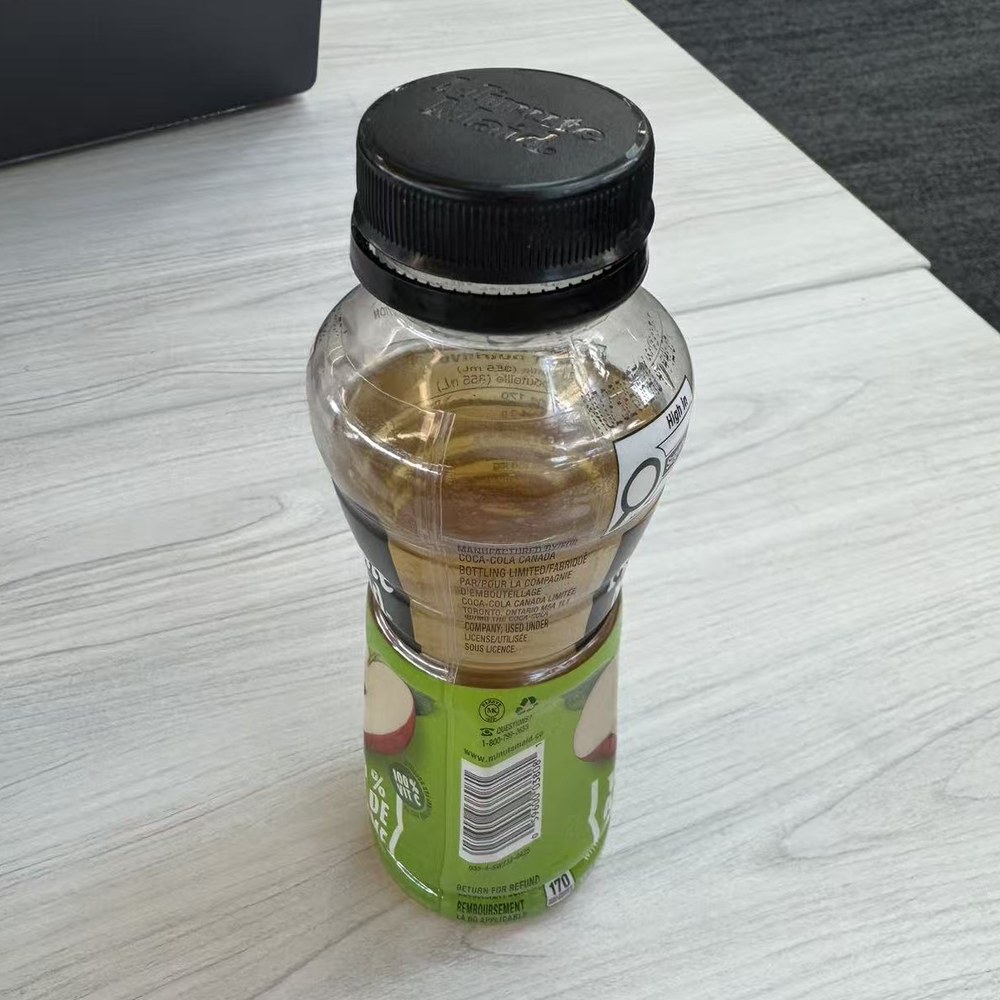
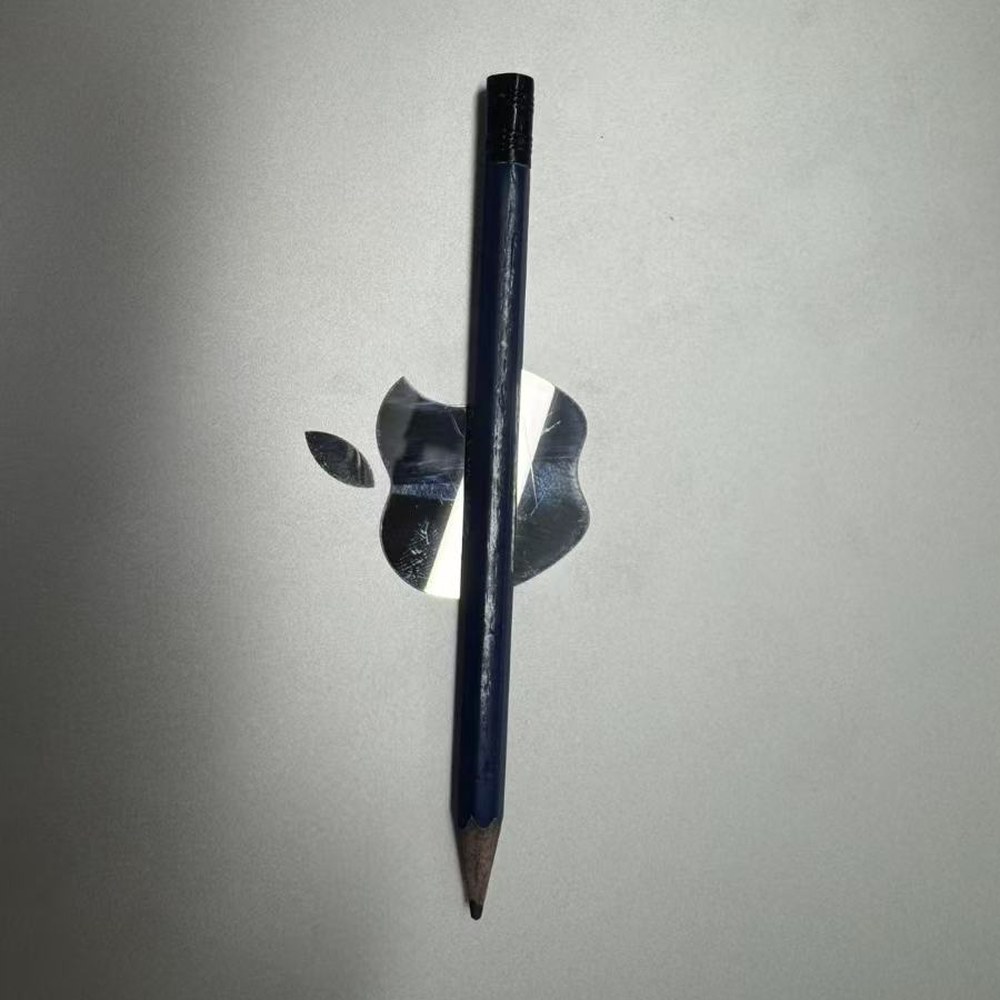
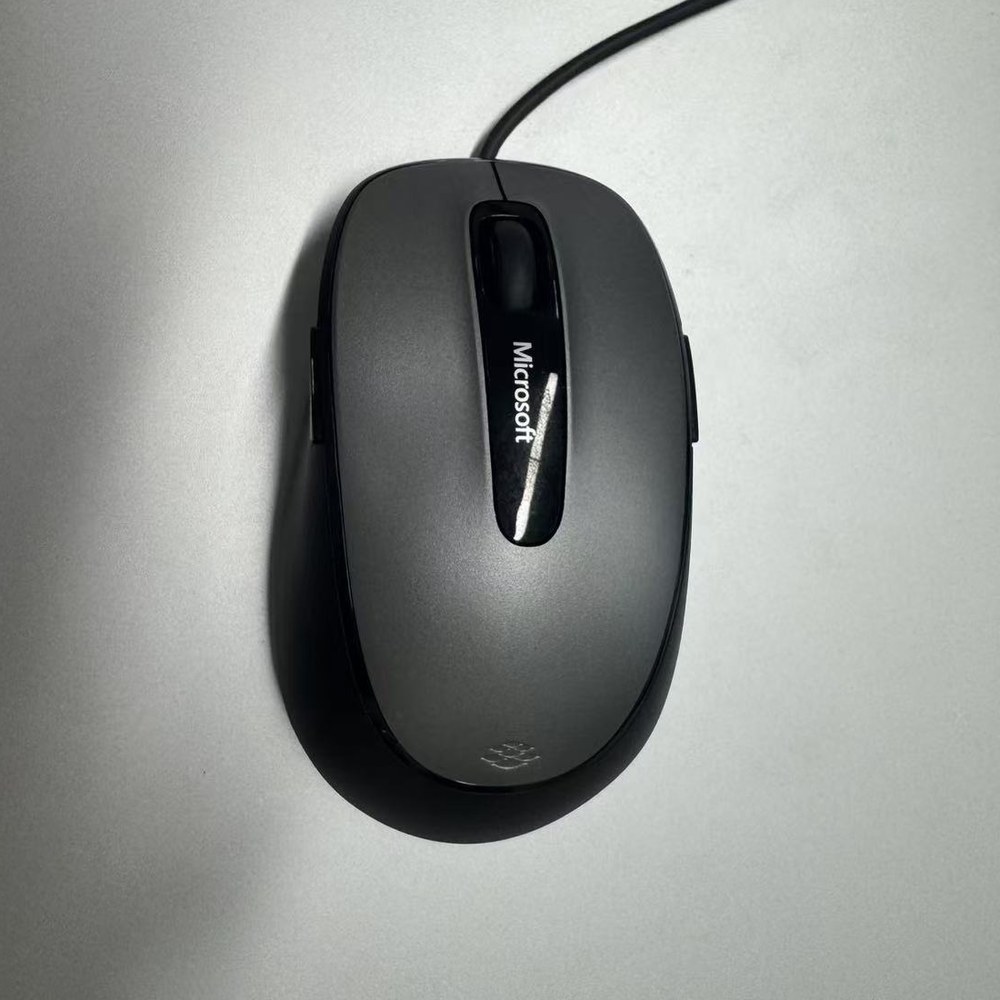
Objects as Data: 8 everyday objects photographed, and a reusable coffee cup modelled in Blender 5.2. The first 11 images document my modelling process step by step; the rest are my object photos.
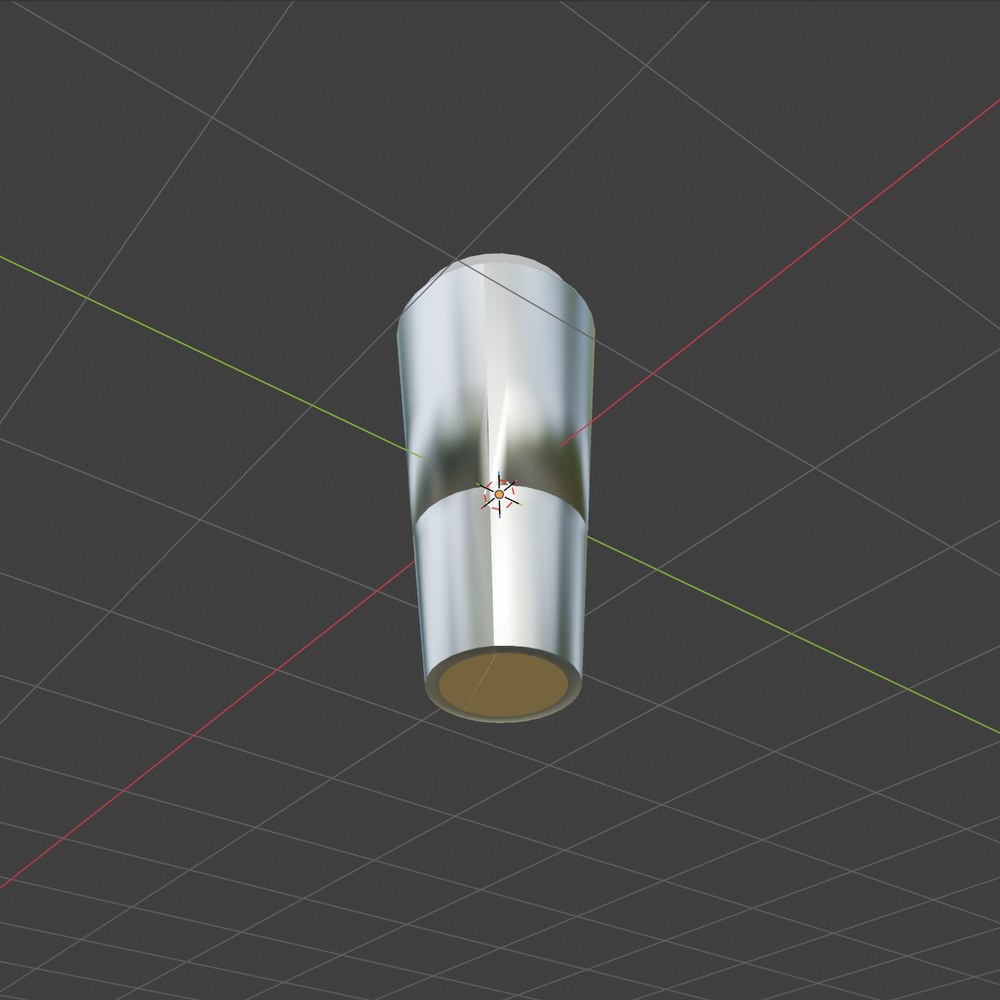
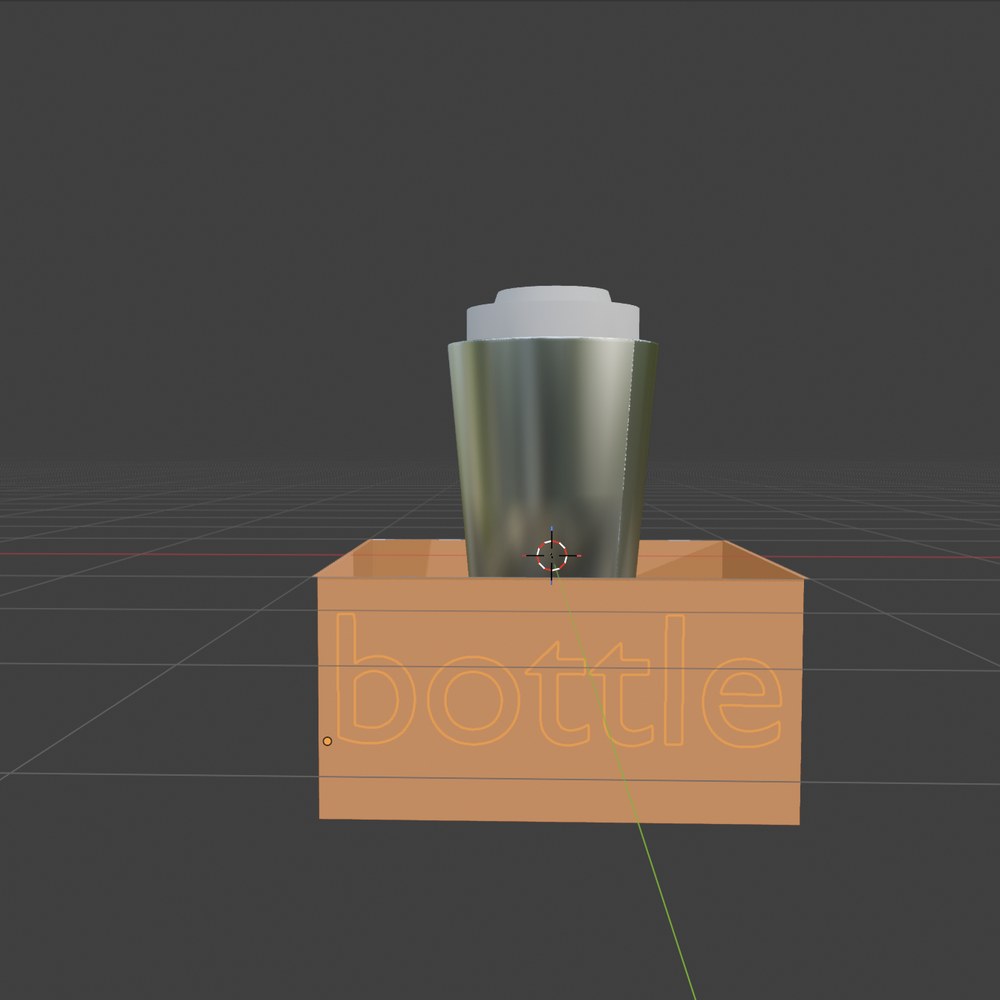
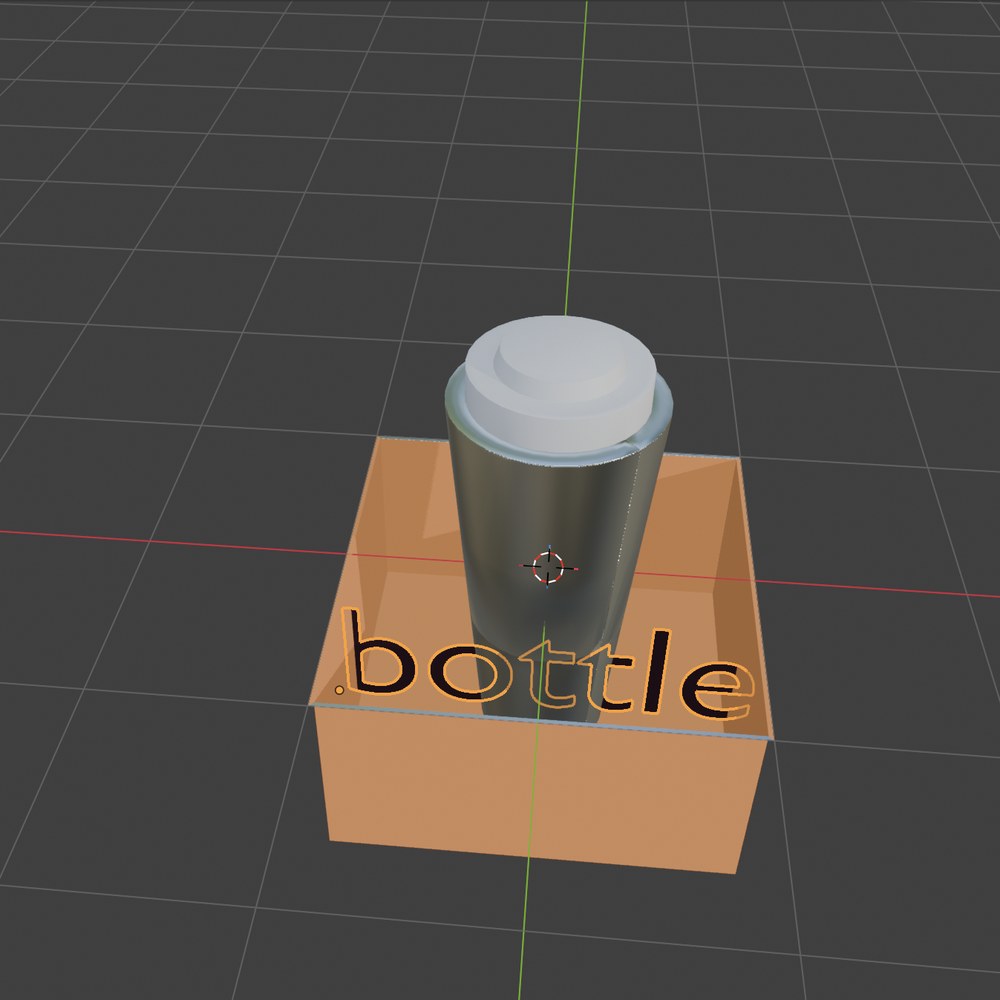
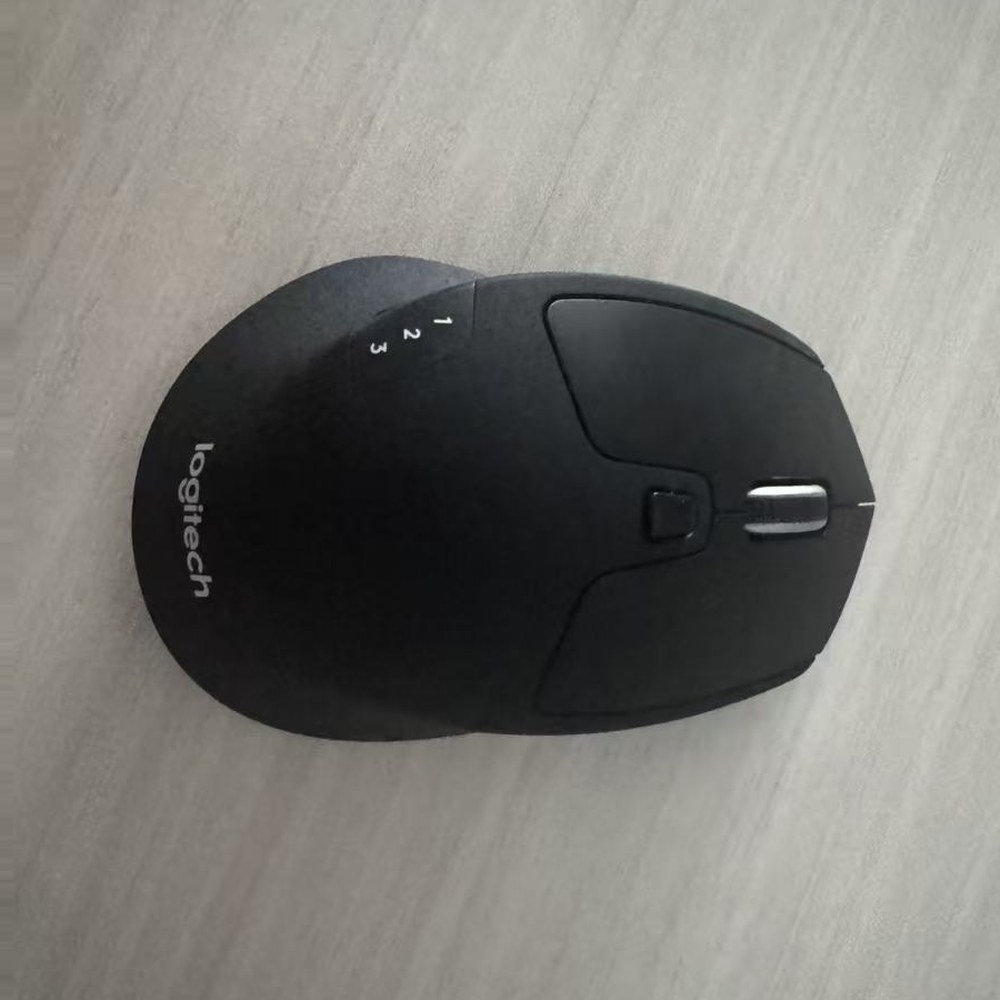
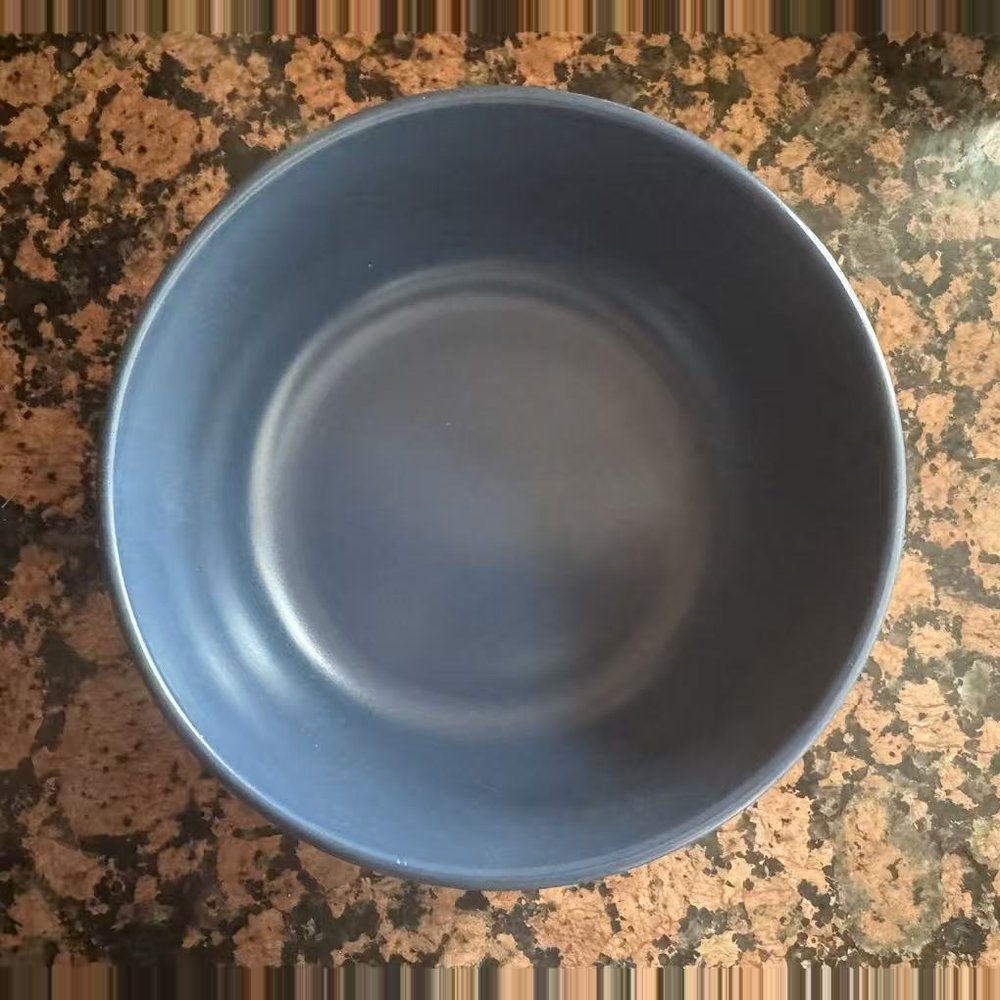
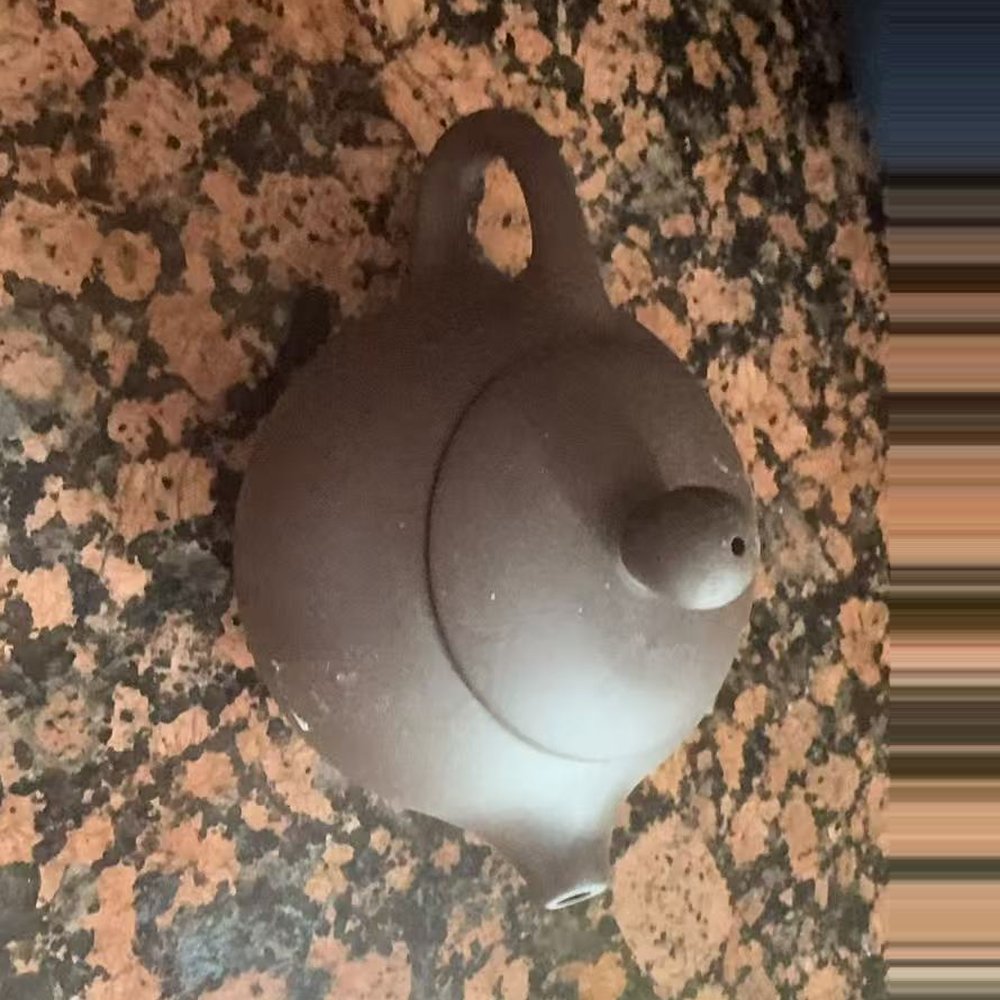
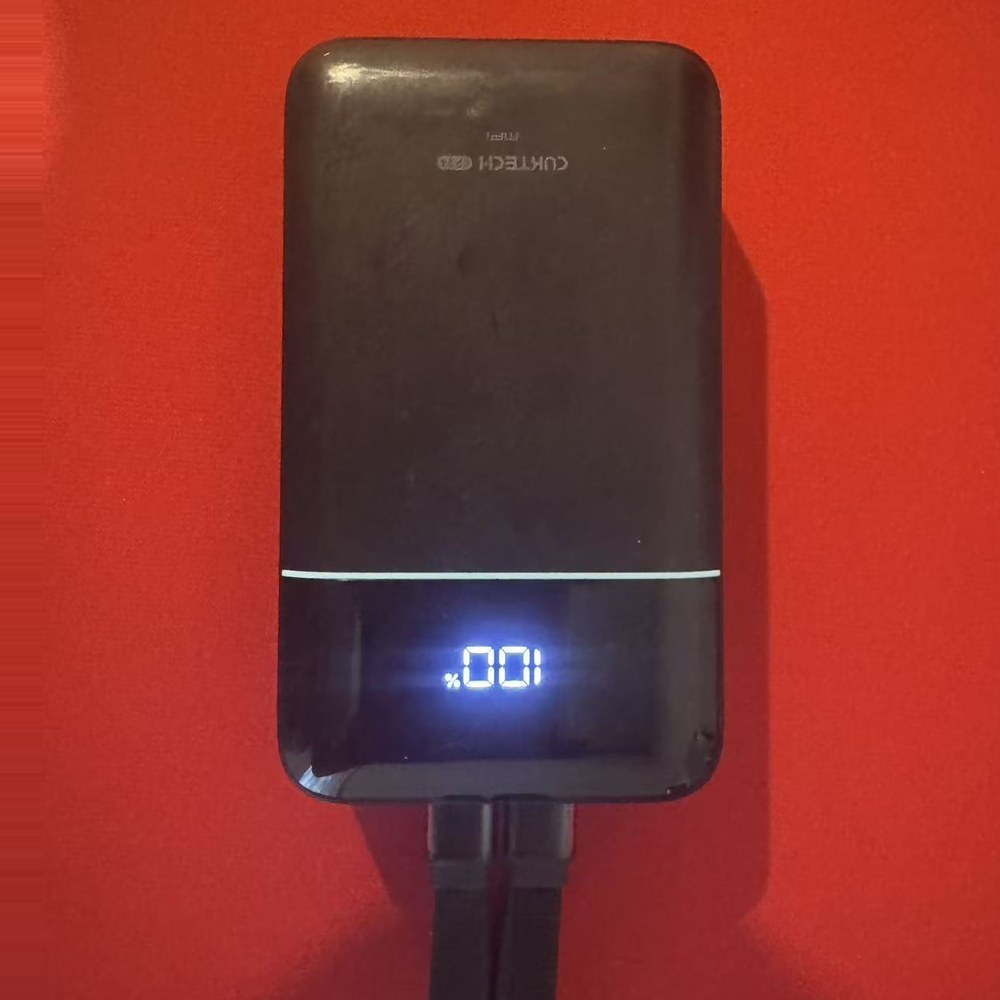

Design Challenge 2
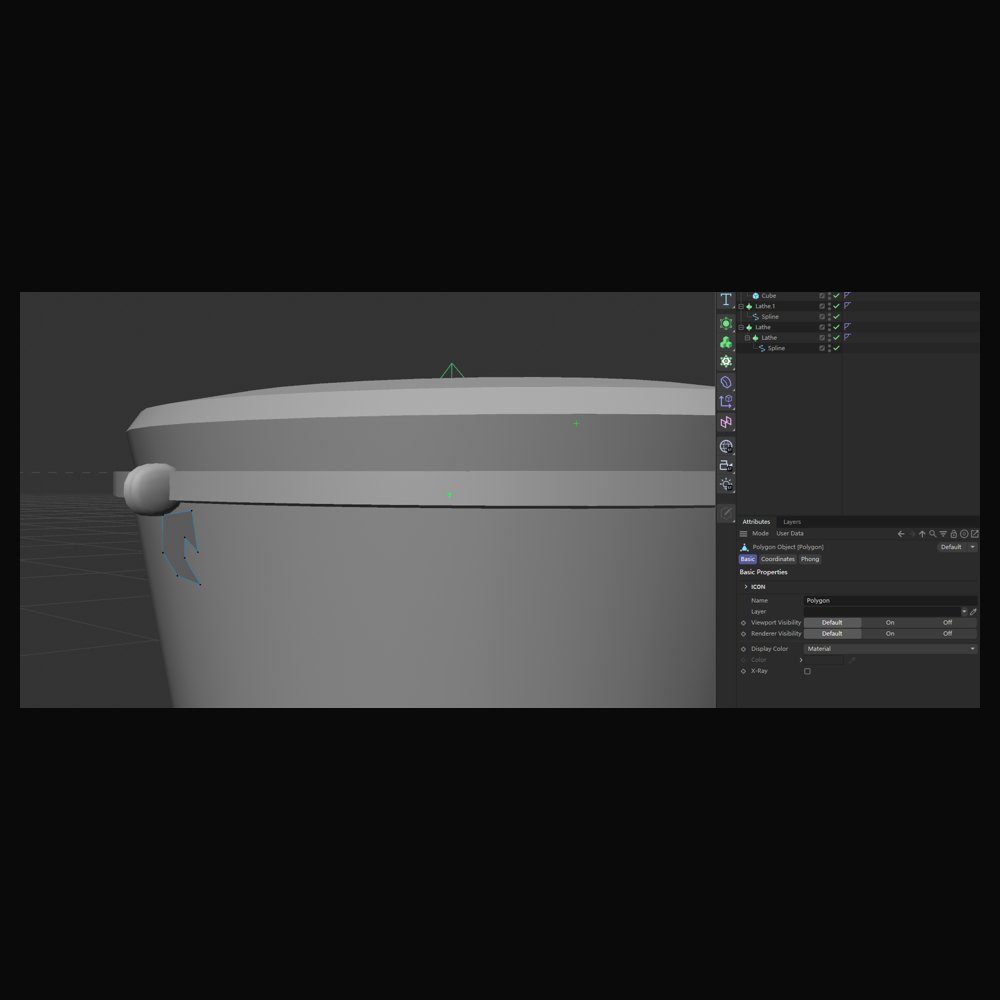
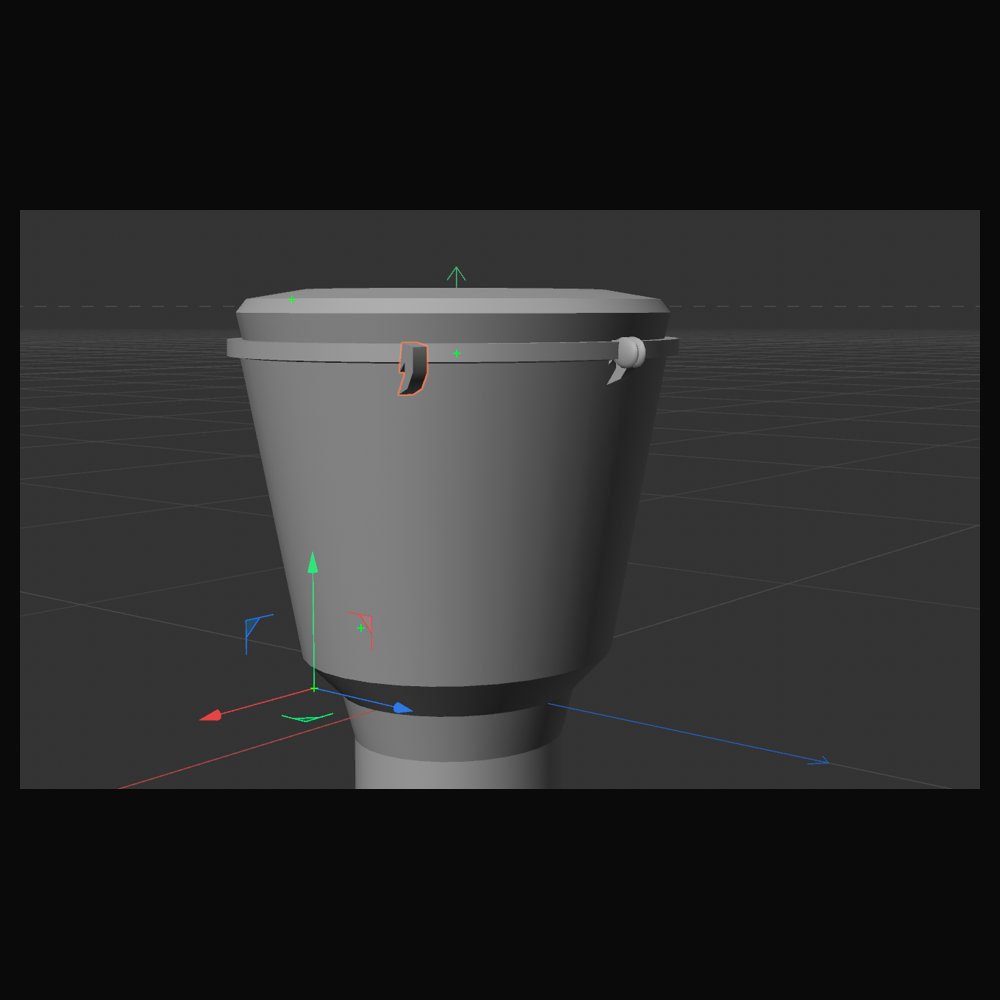
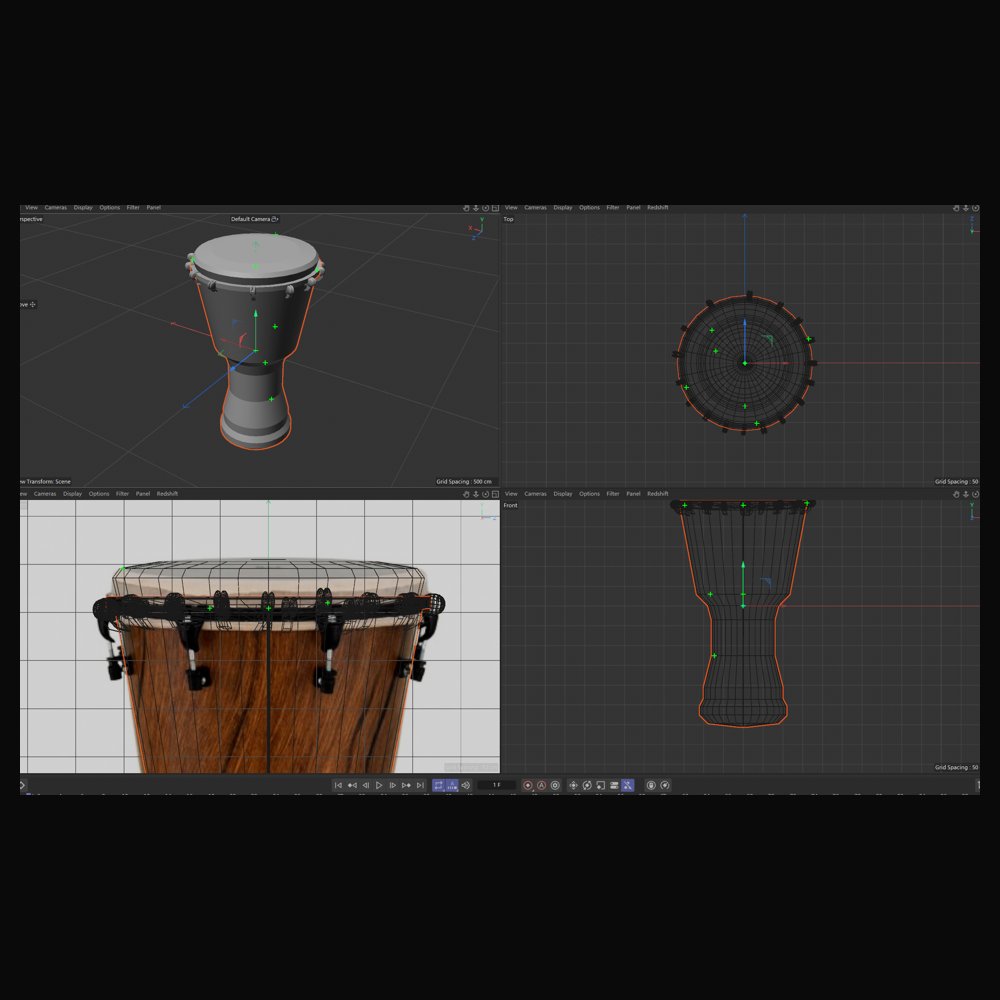
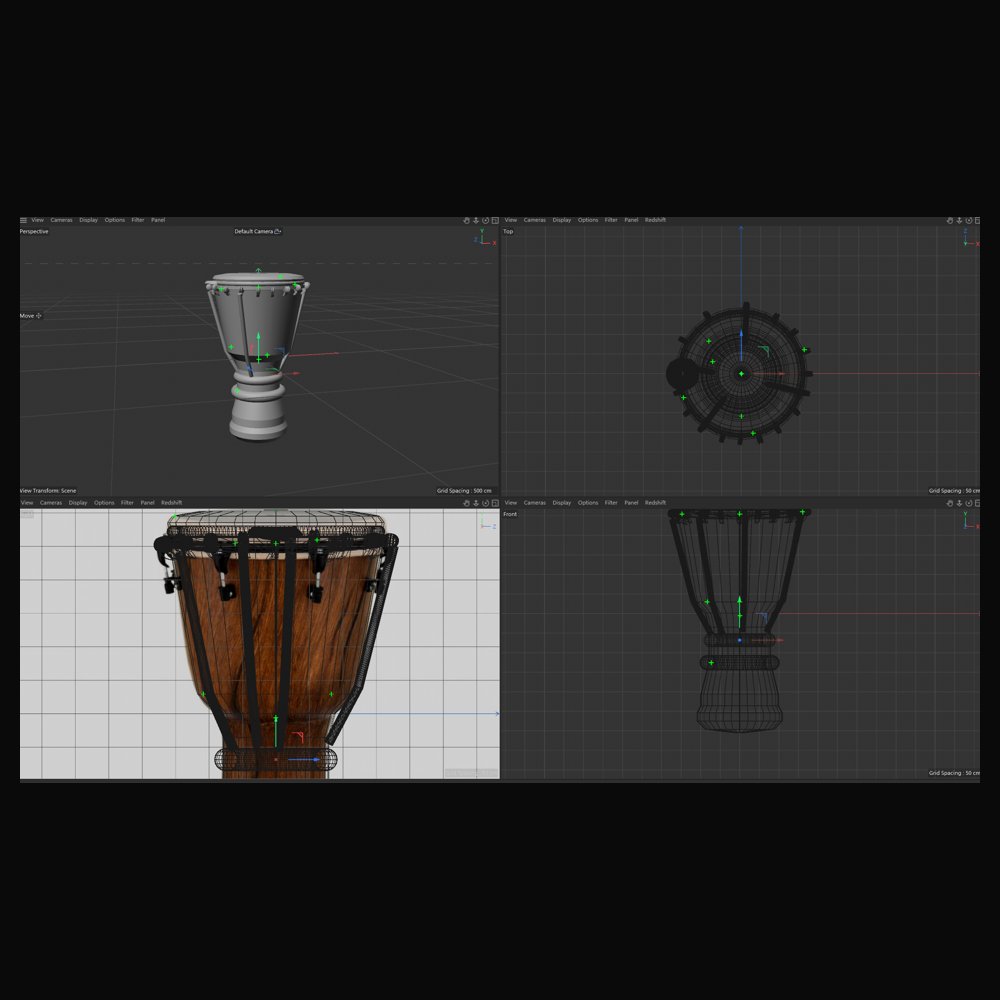
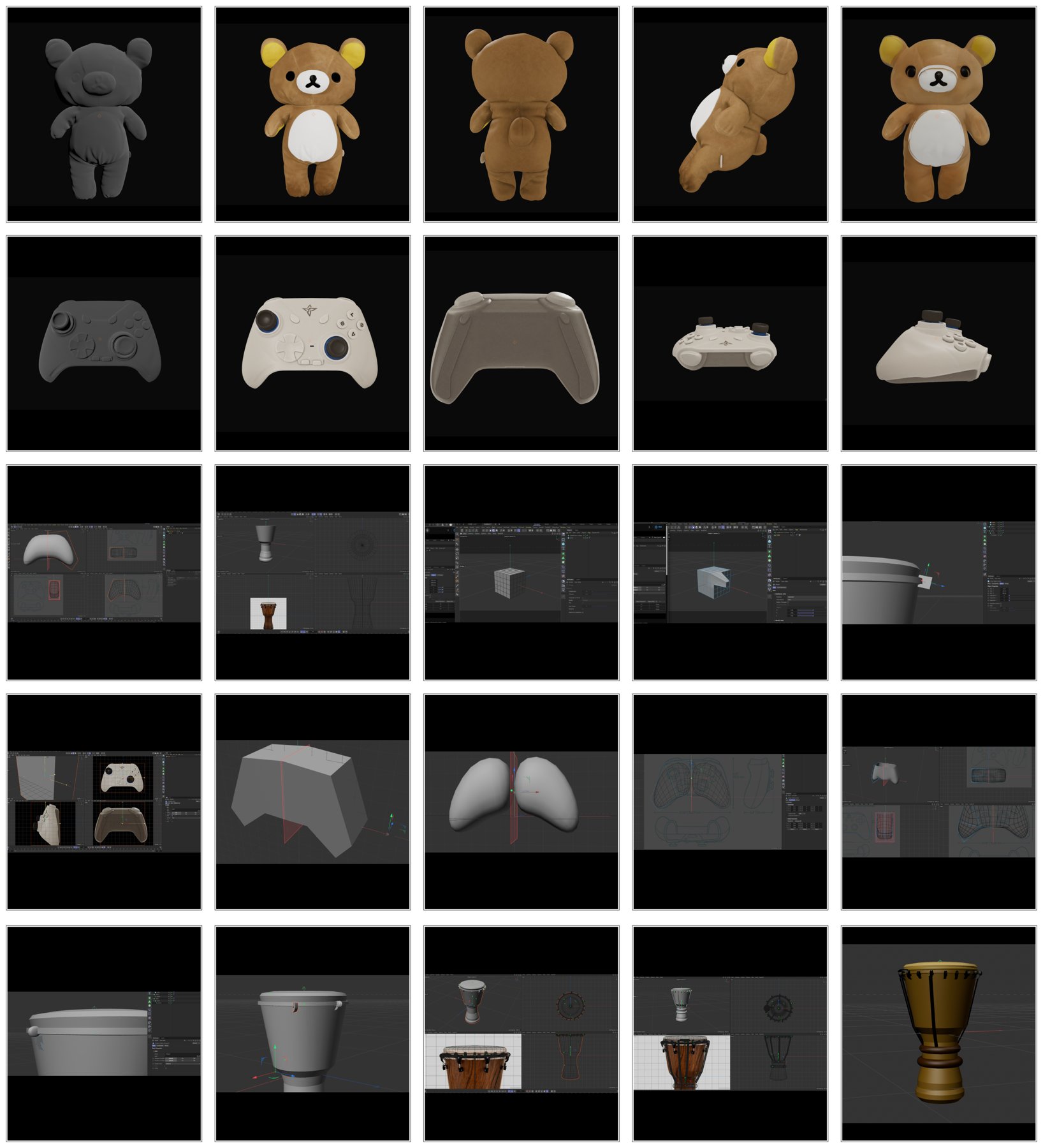
3D Modelling and AI Modelling: I first generated my complex objects with Tripo AI from my own photos (rows 1-2: Rilakkuma plush and game controller), then focused on modelling by hand in Cinema 4D following Tutorials 4-6. Row 3 has the controller result, the drum's Lathe start, Tutorial 4 practice and a failed Boolean; row 4 is the controller process step by step, box-modelled with Symmetry + Subdivision Surface using my AI renders as reference; row 5 is the djembe drum from hooks and ropes to materials. Click any image for a description.
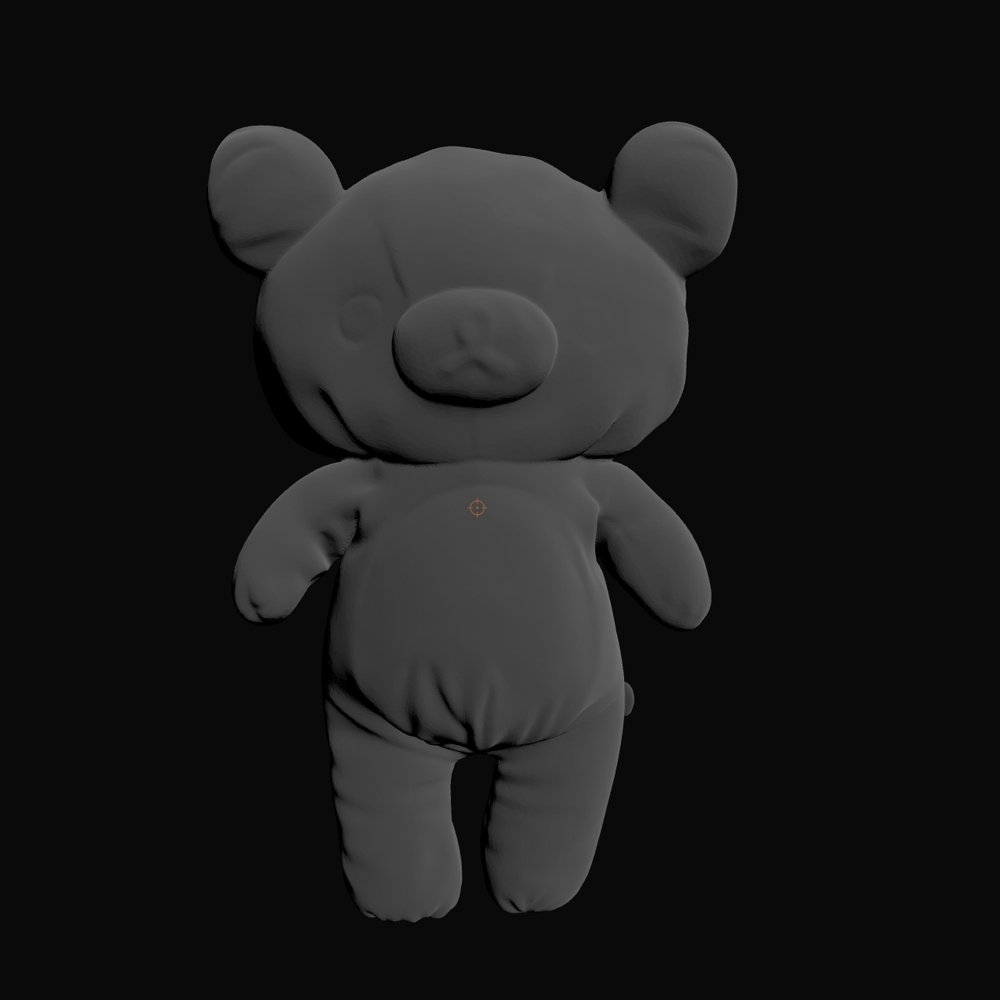
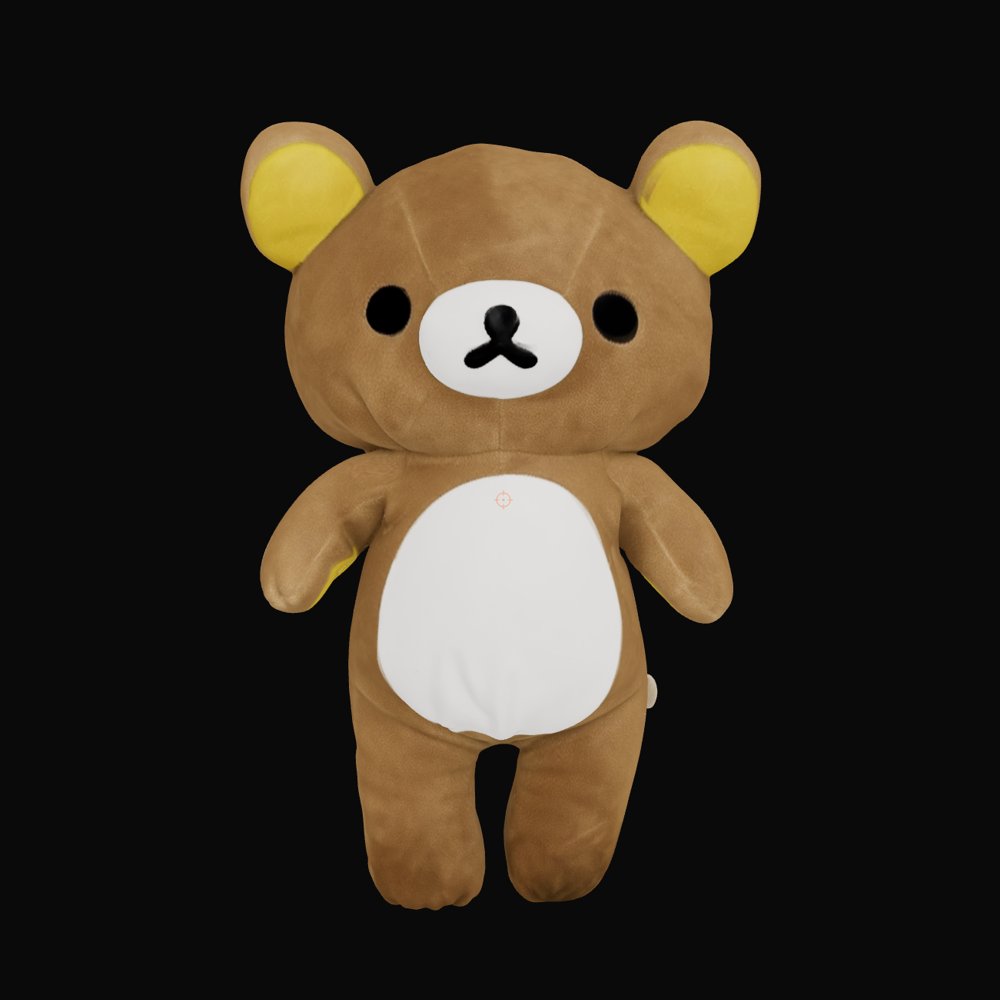
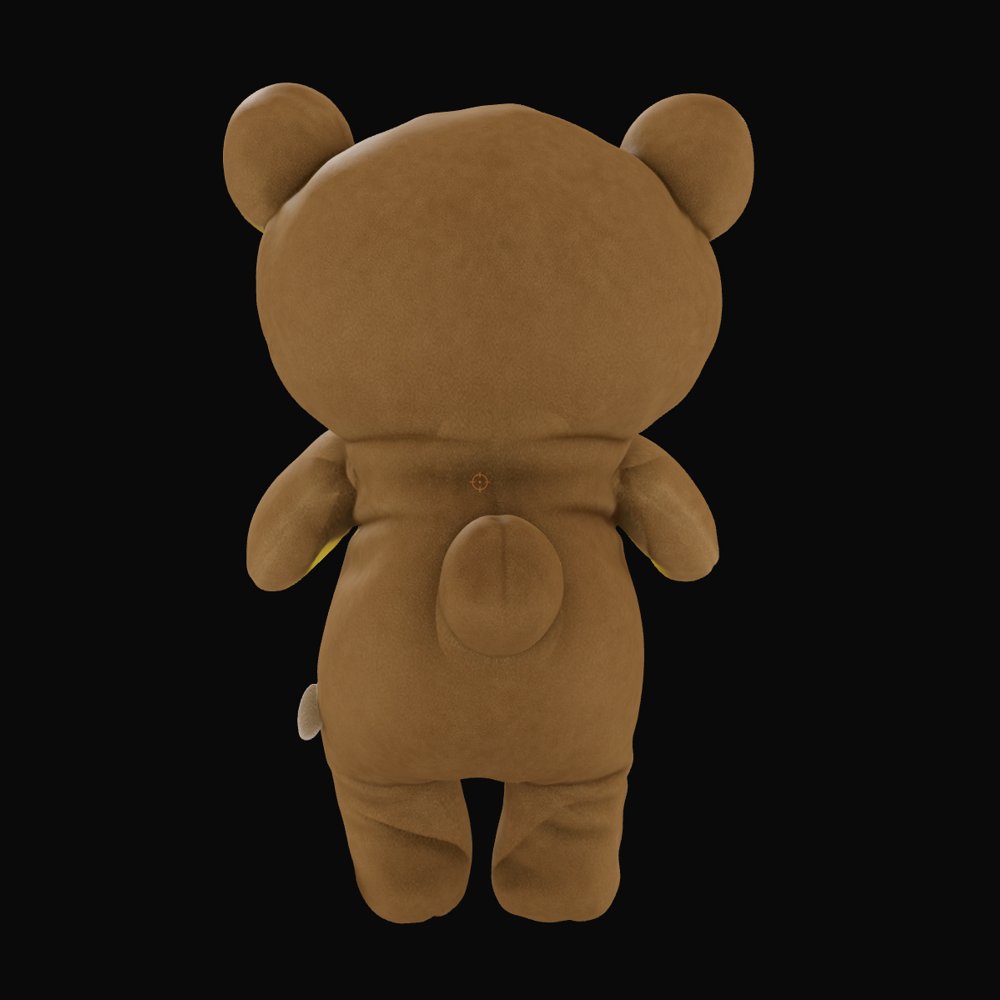
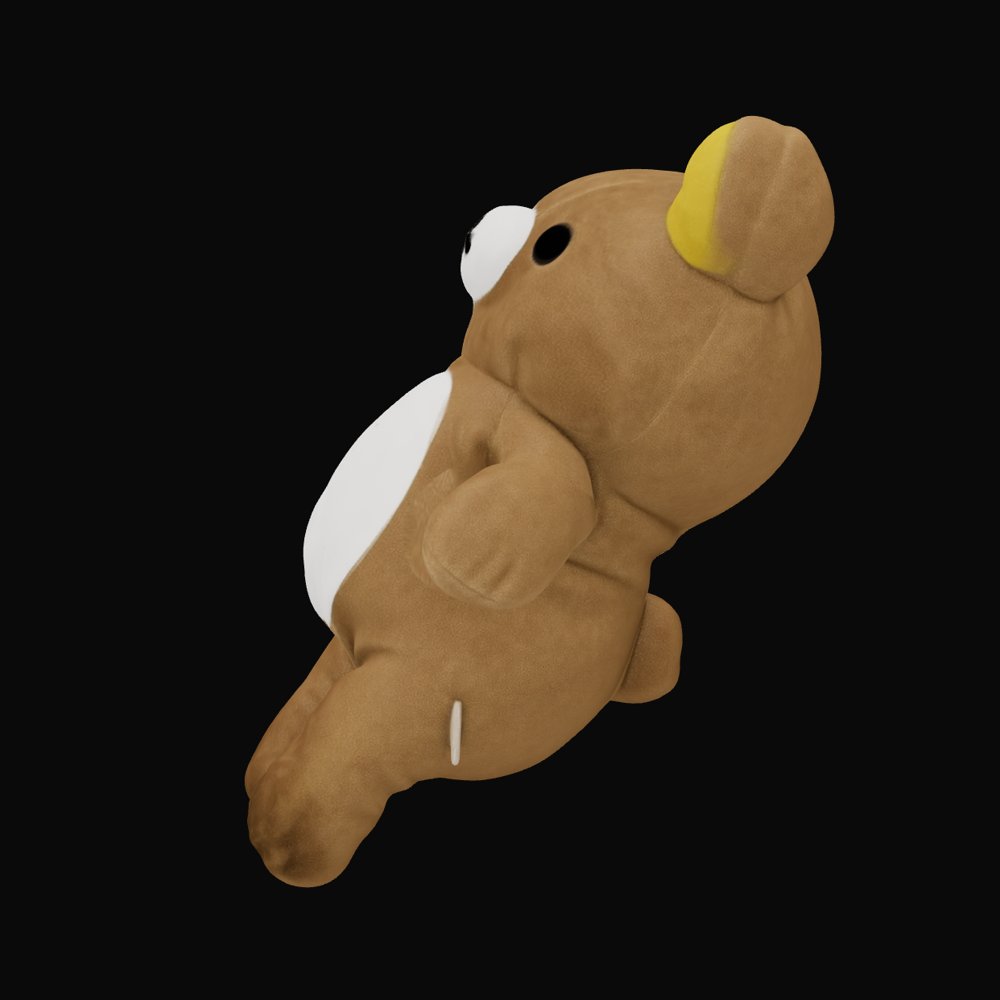
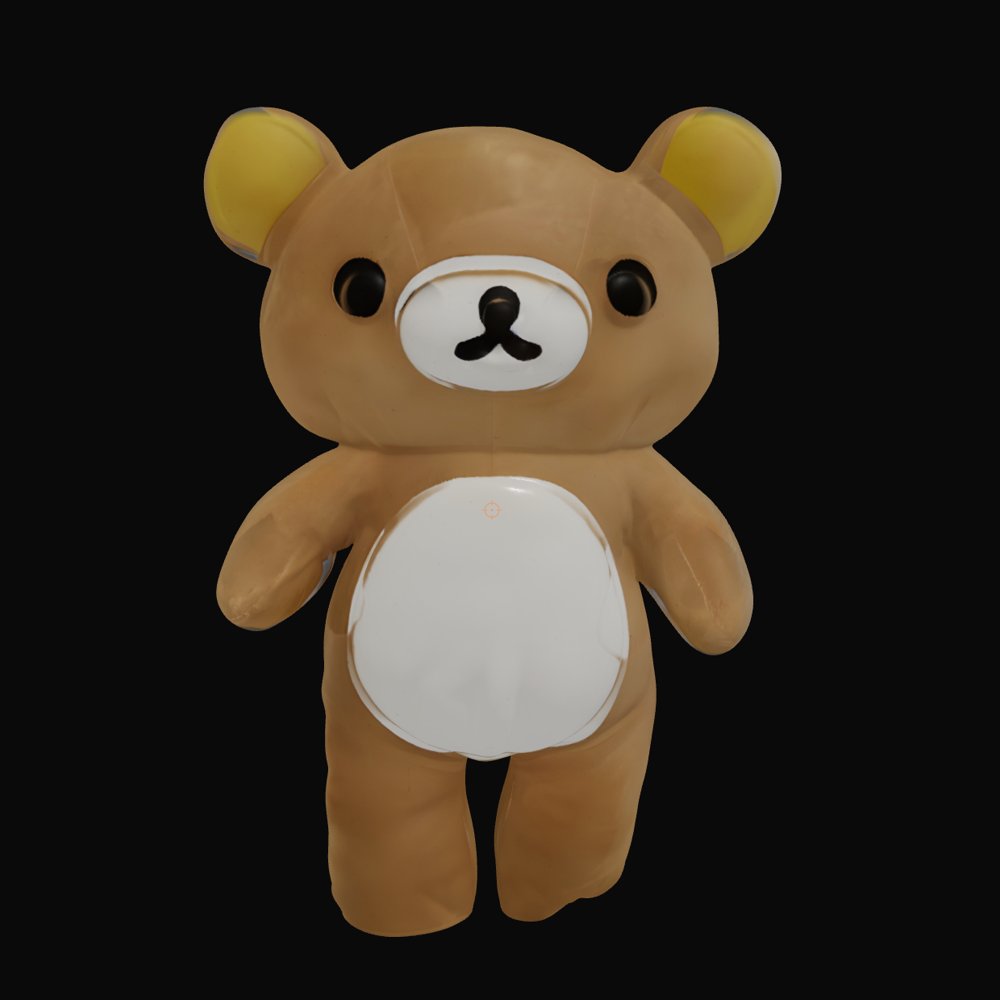
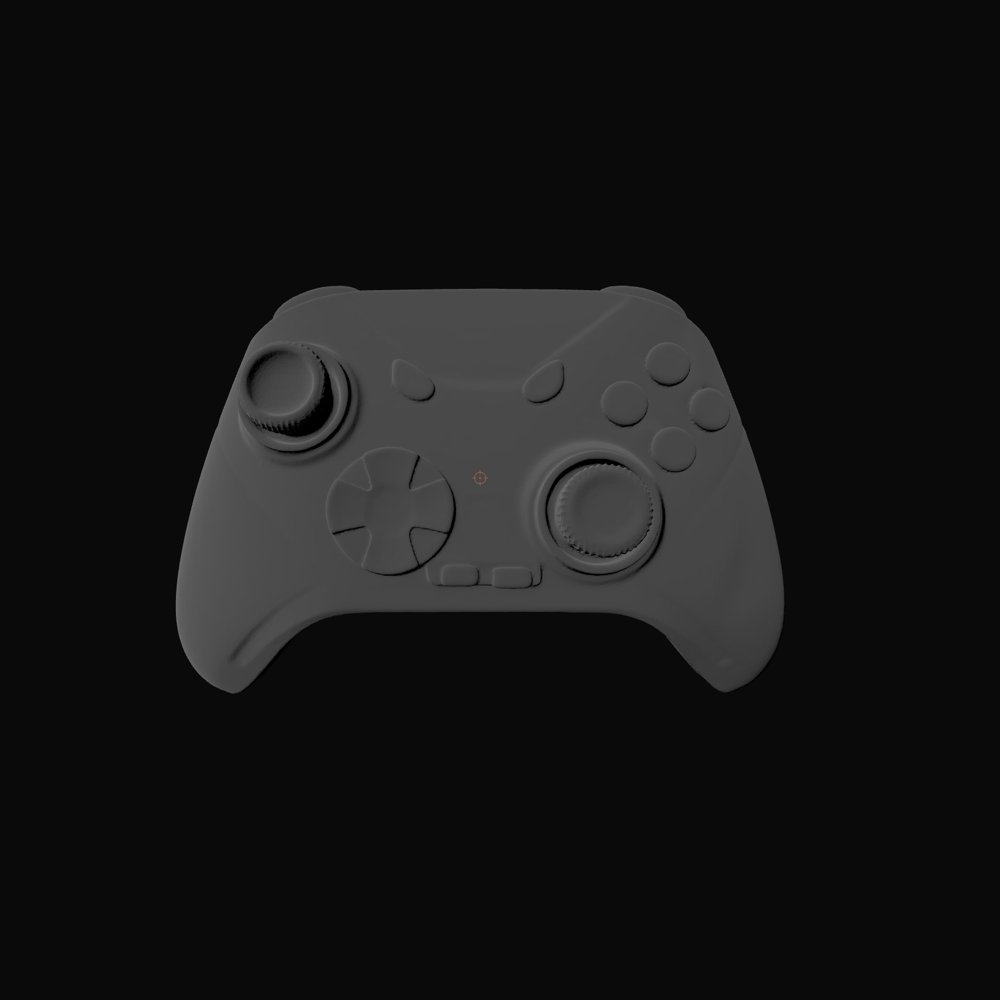
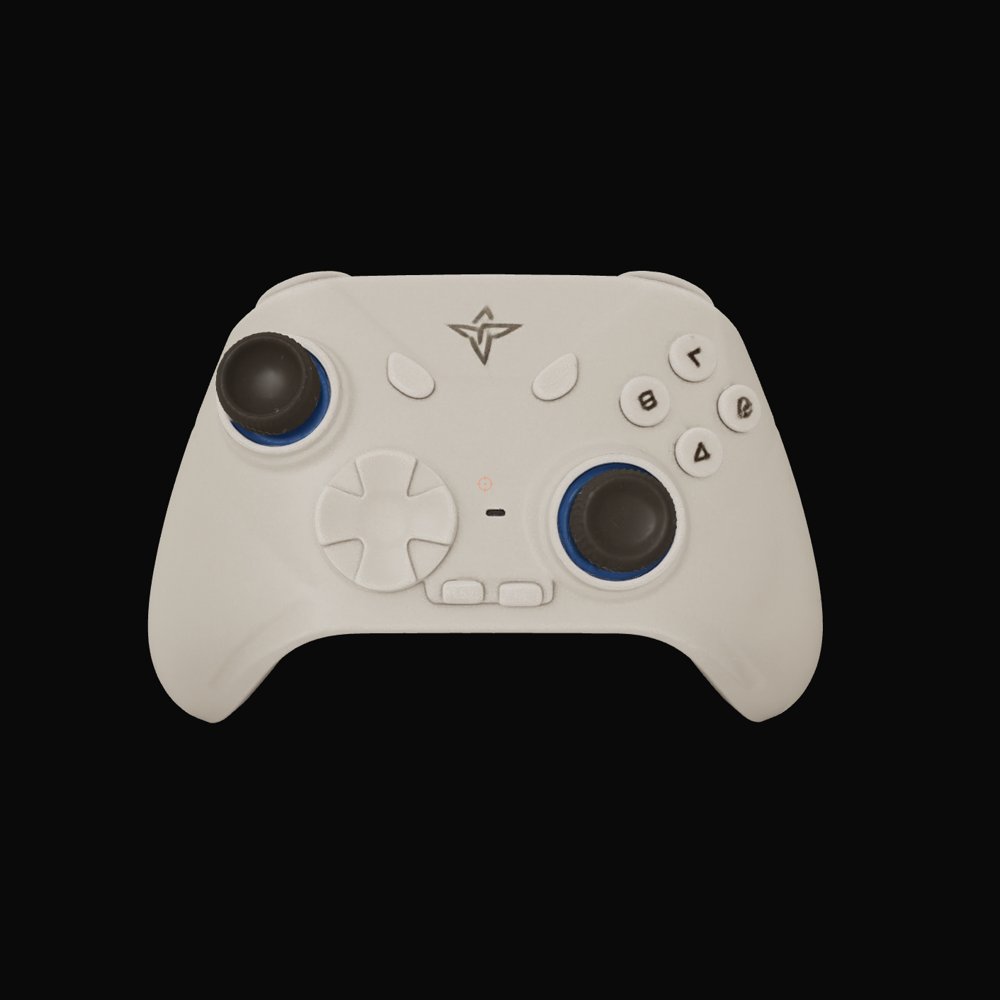
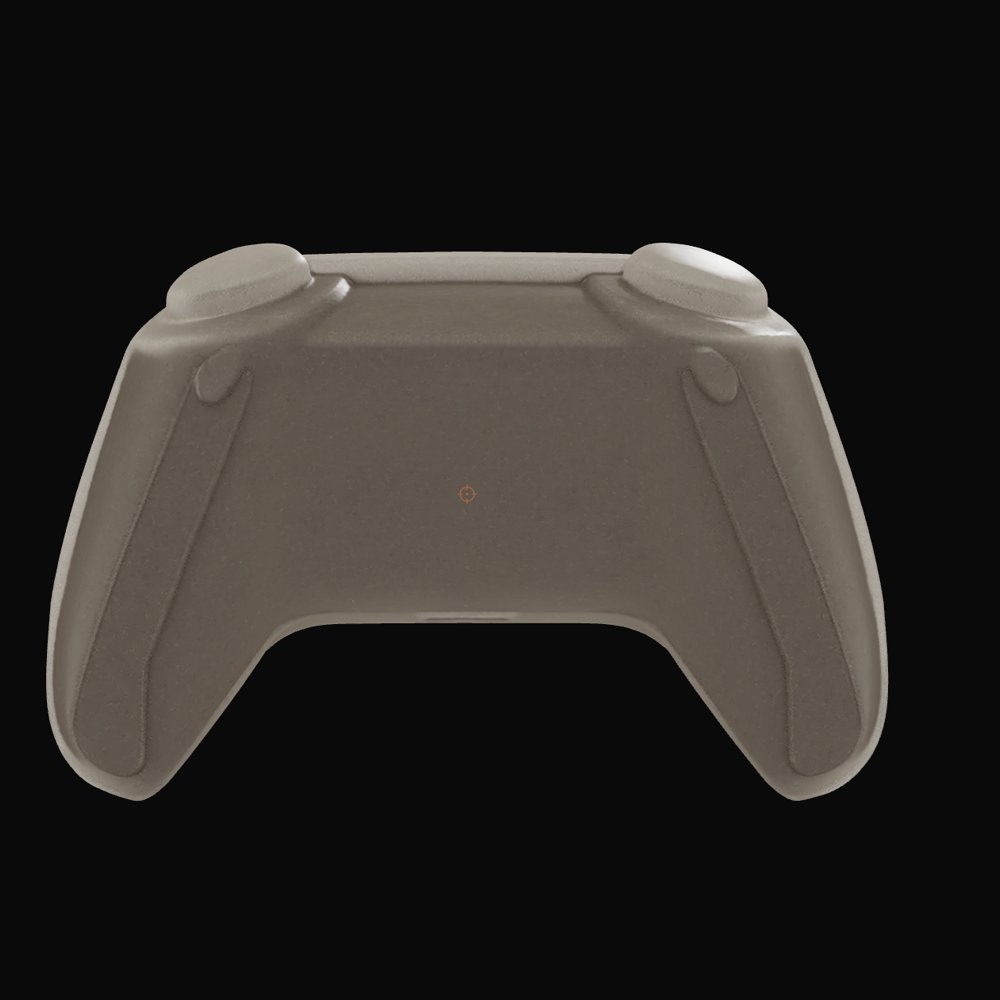
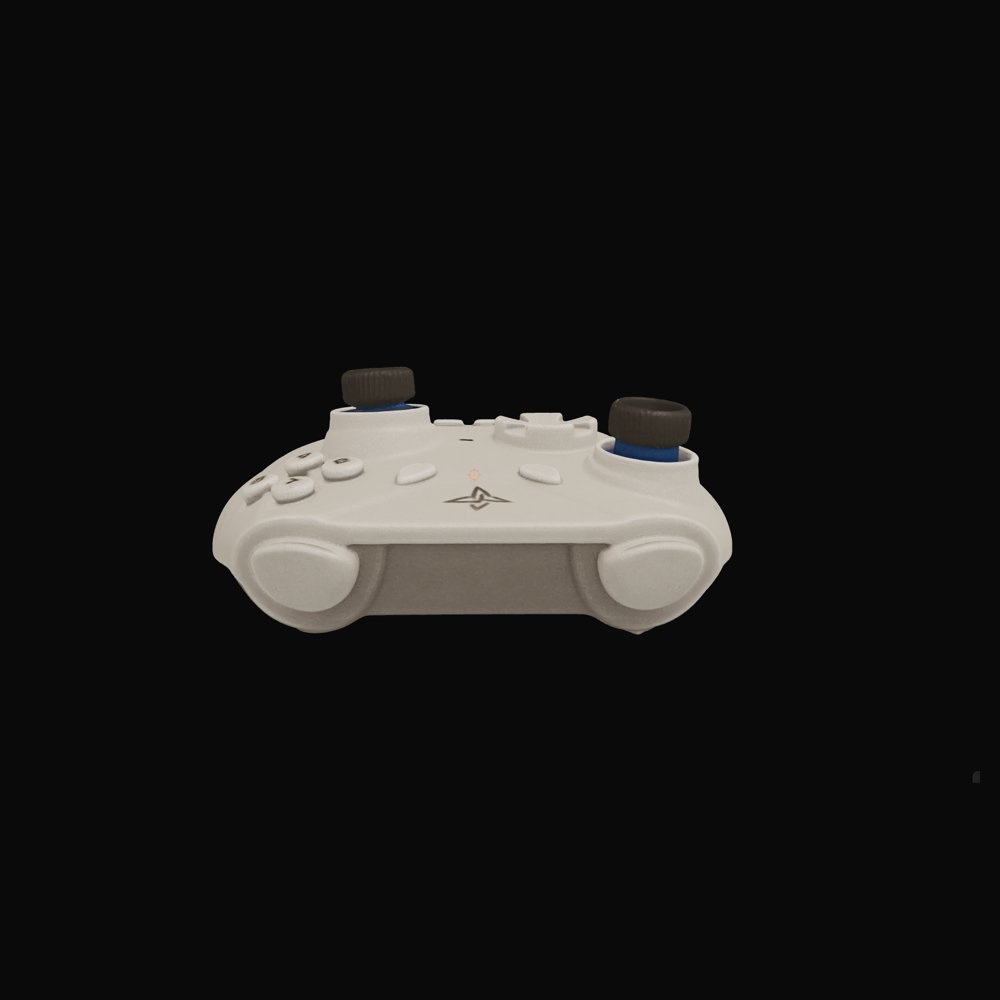
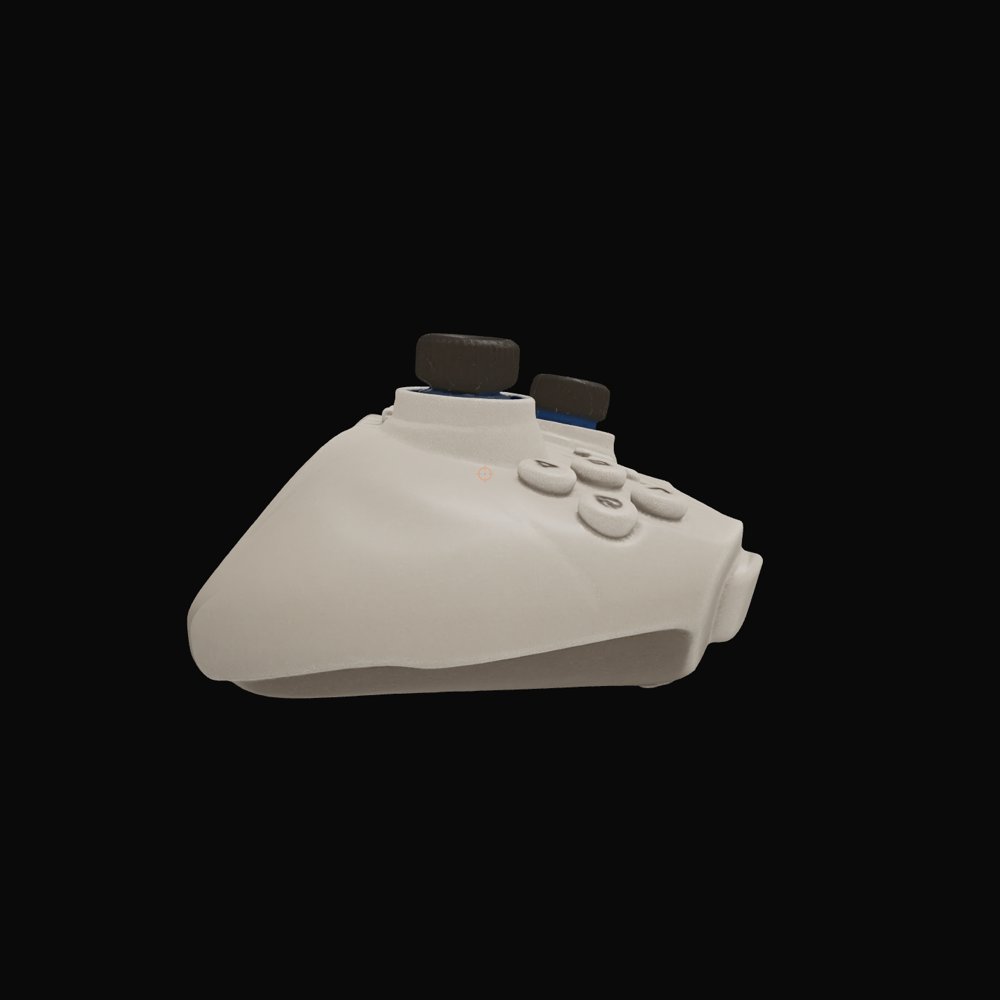
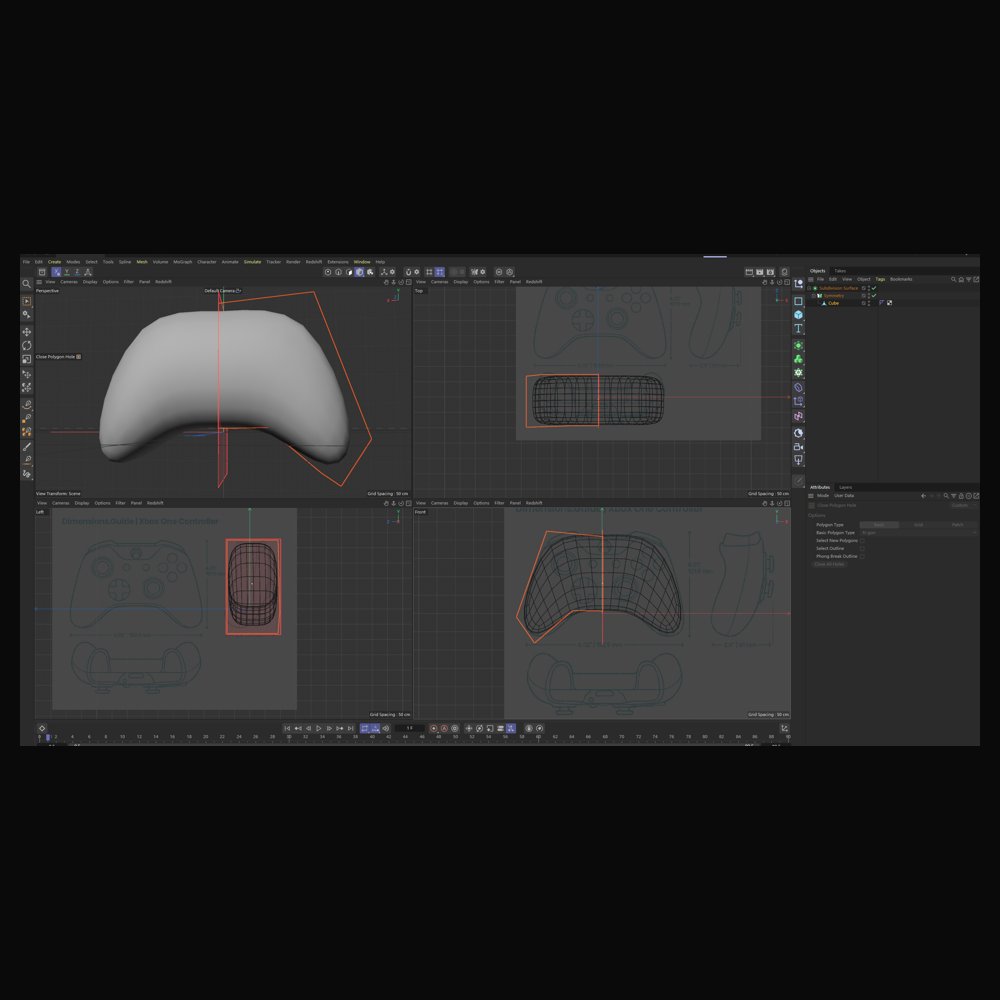
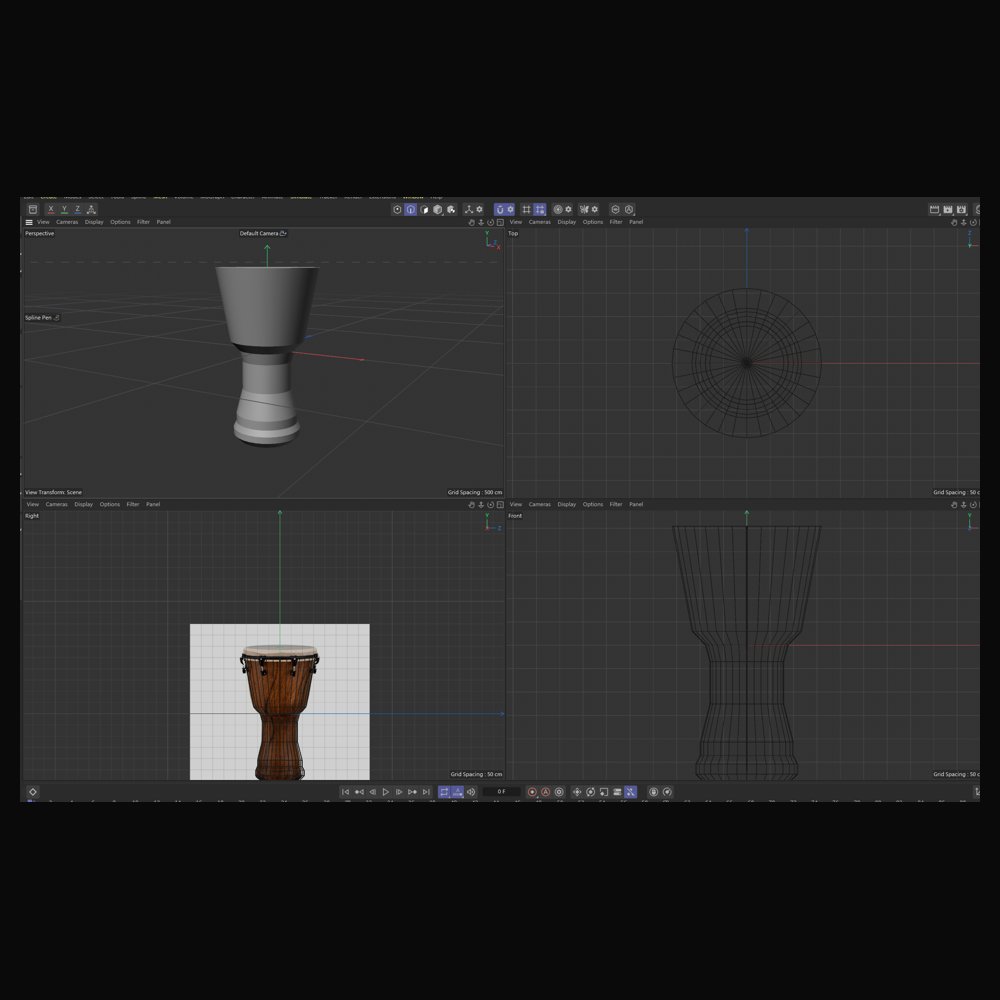
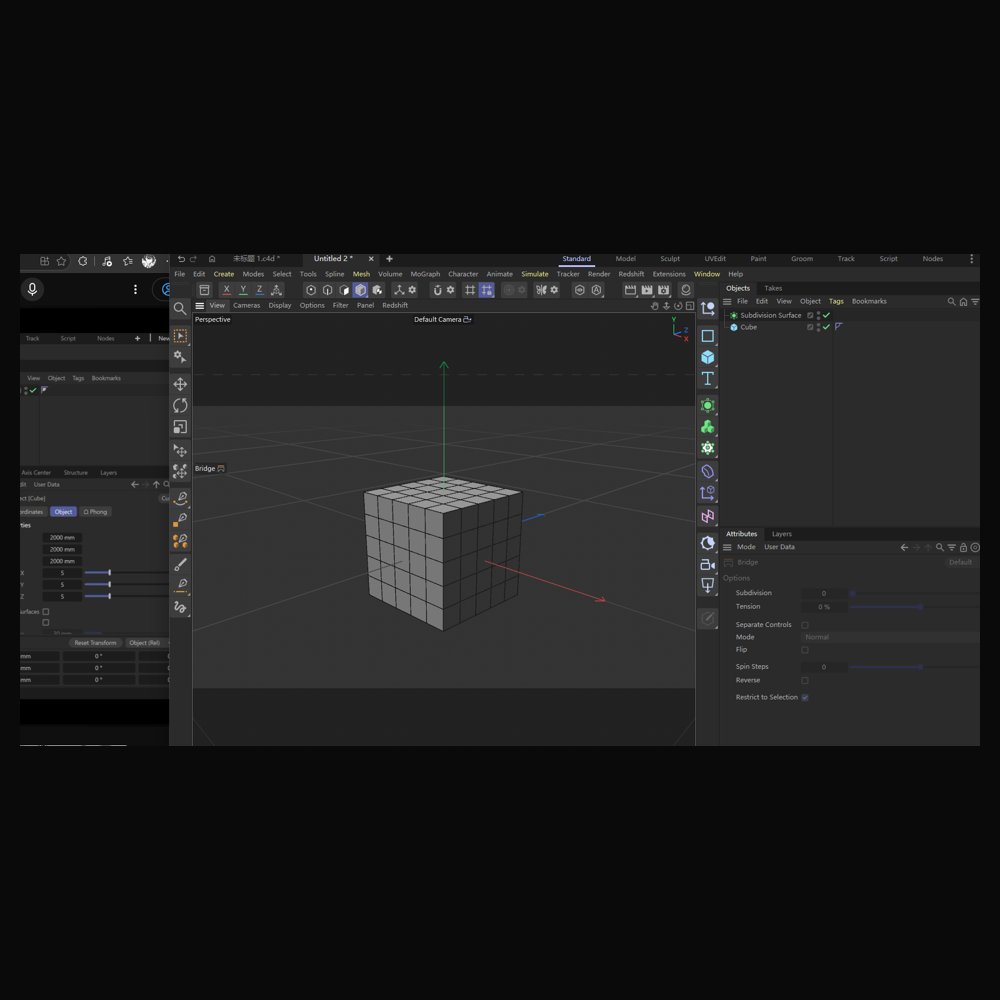
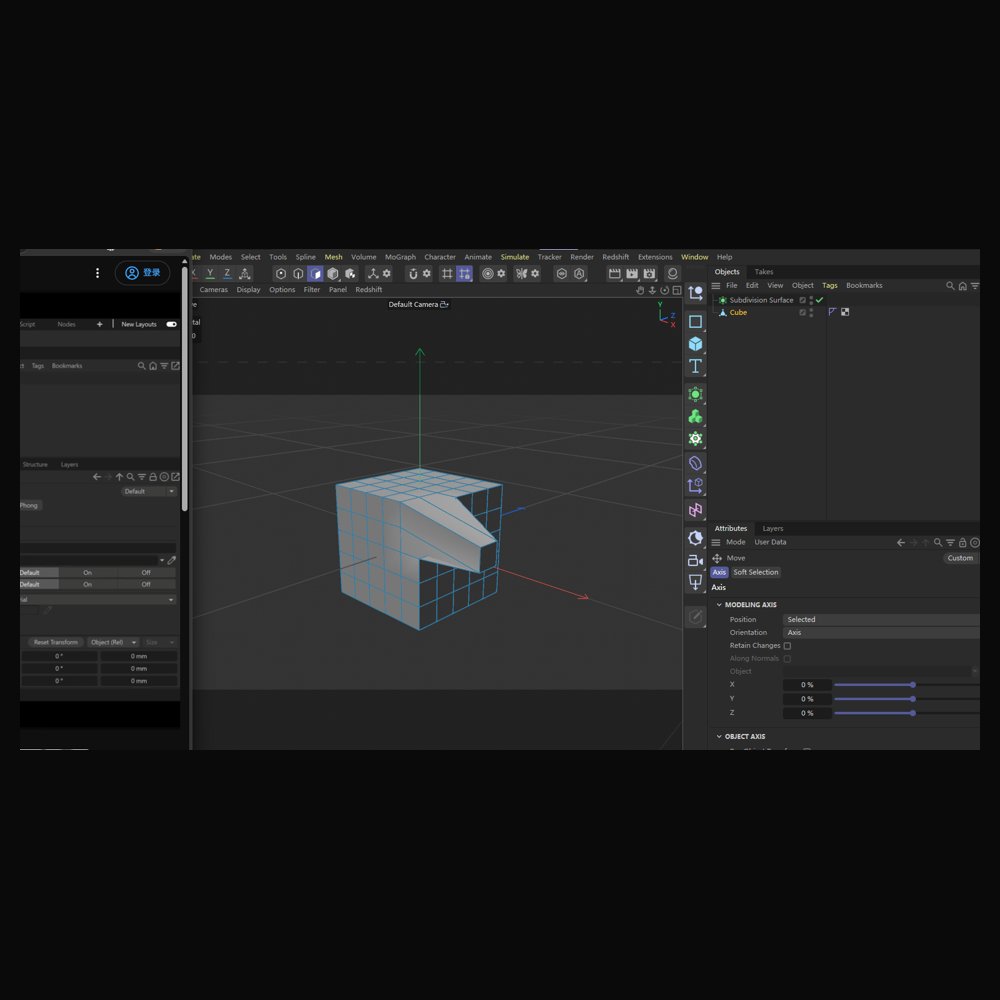
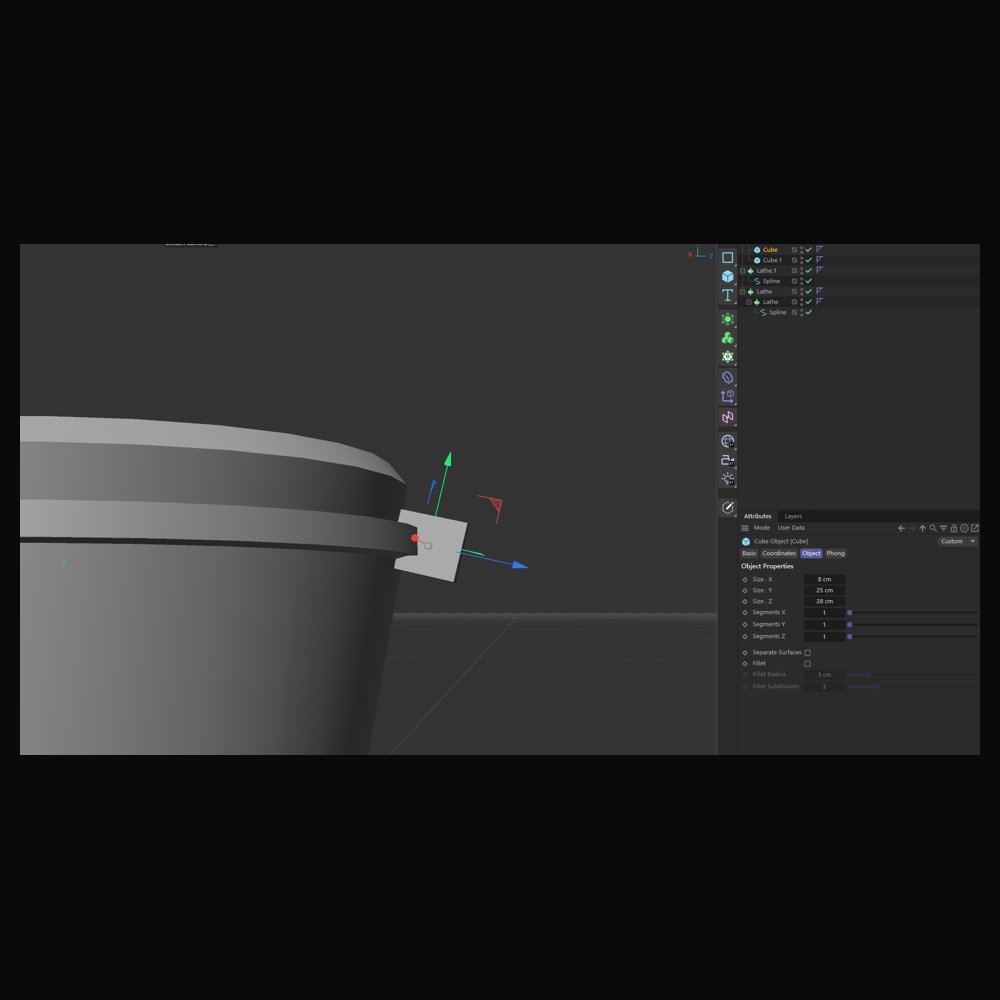
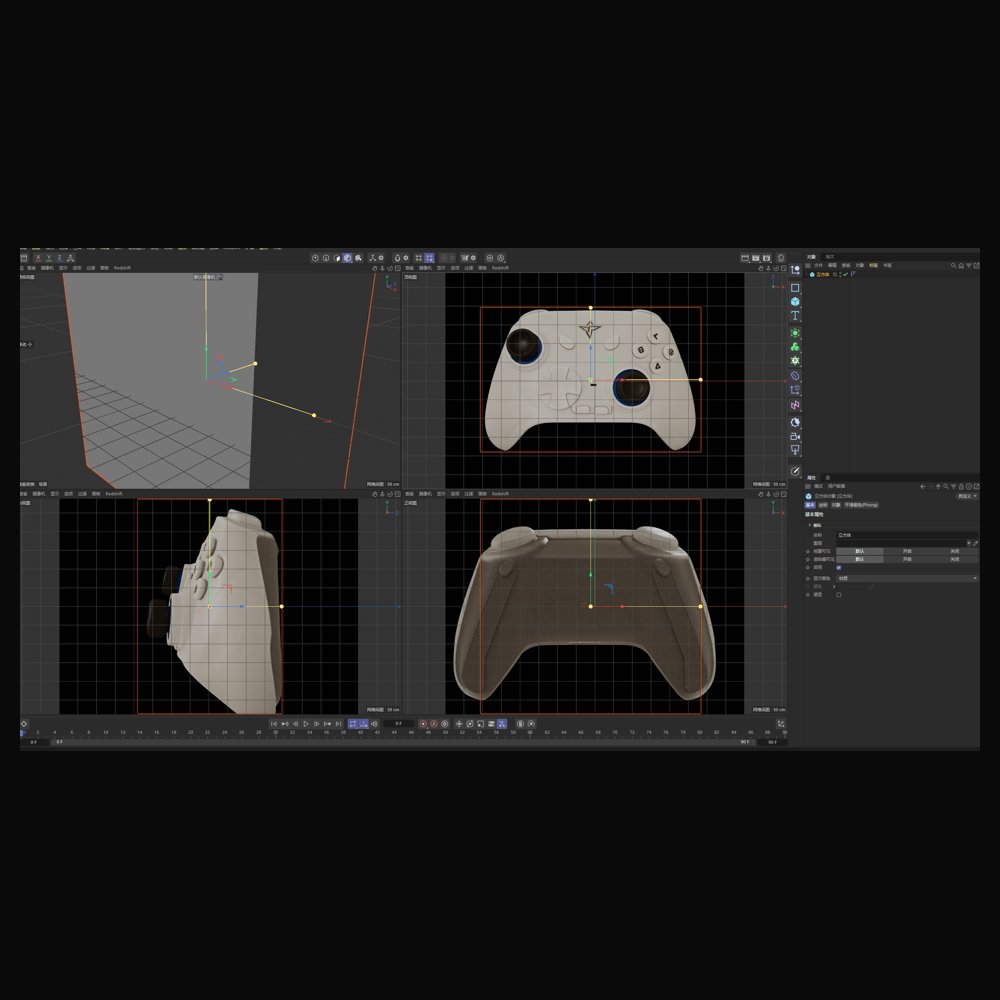
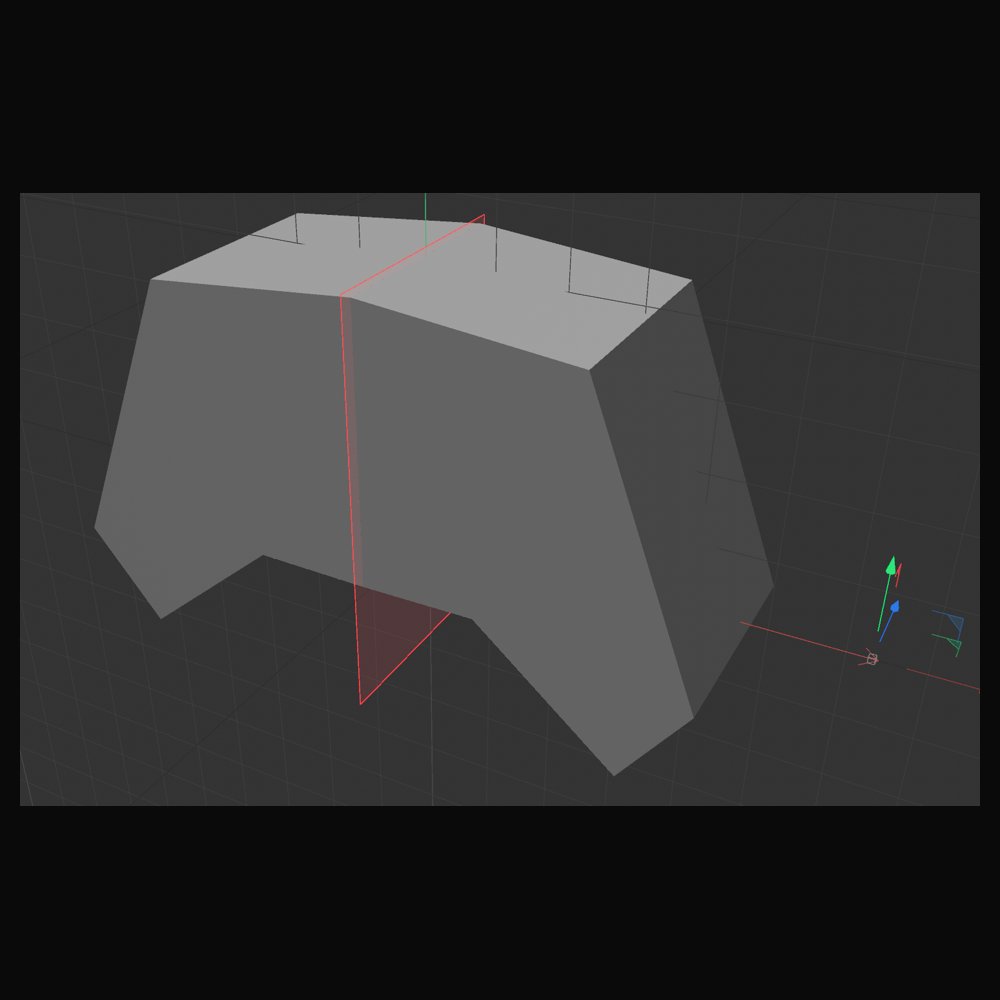
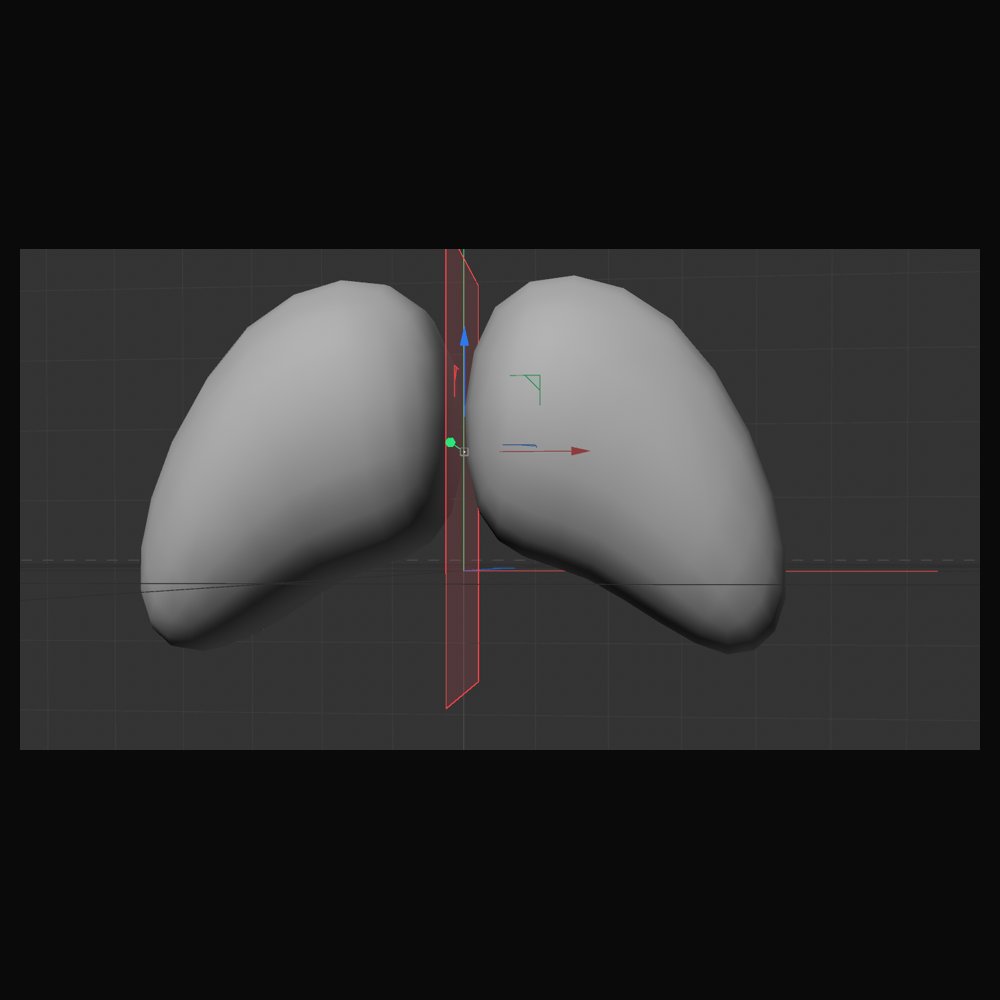
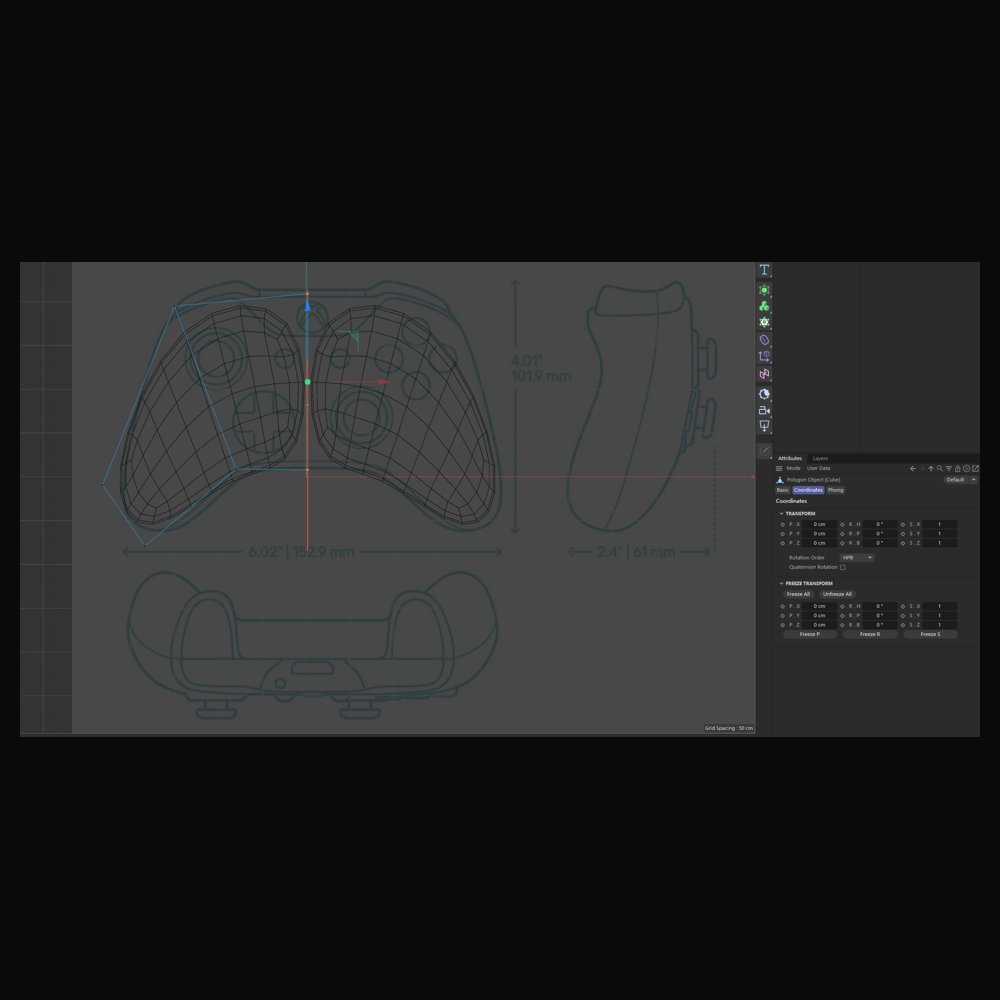
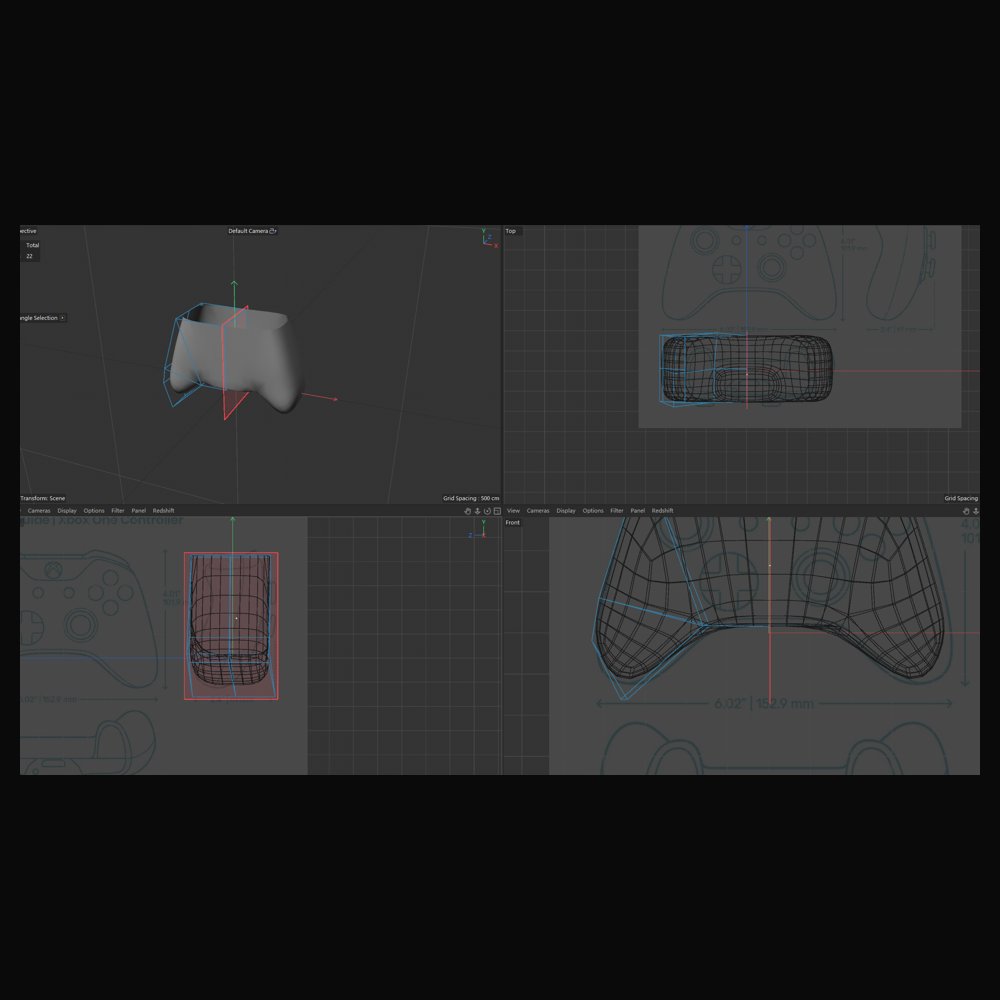
Full 5x5 grid submitted to SLATE:
Material Workshop 1
We walked around the AA wing and looked for materials used in Sheridan programs. Here are three materials I found.
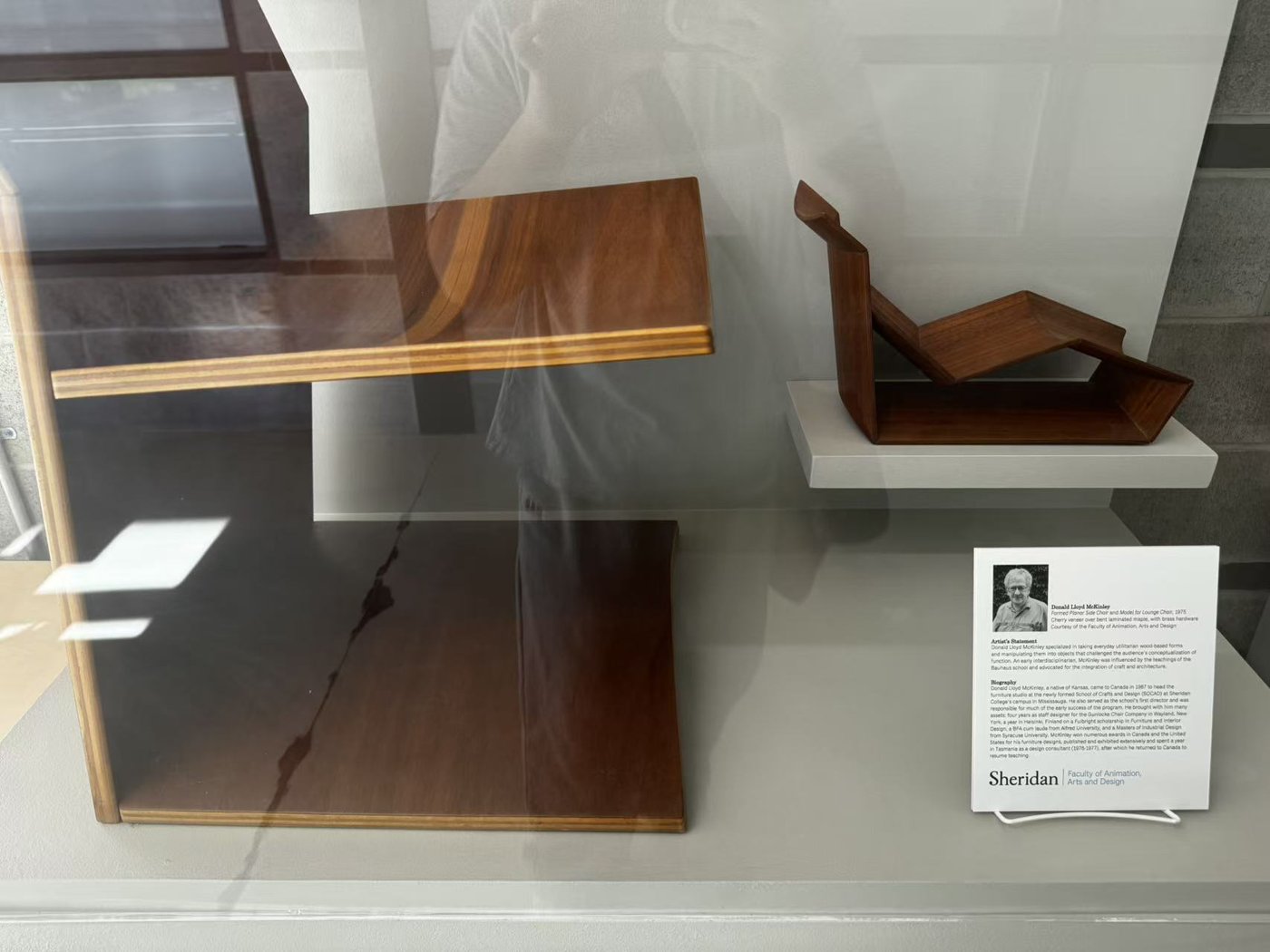
Bent Laminated Wood
Where: display case in the AA wing.
What: Donald Lloyd McKinley, Formed Planar Side Chair and Model for Lounge Chair (1975). Cherry veneer over bent laminated maple.
Sheridan program: Craft & Design – Furniture.
Thin layers of wood are glued and bent, so a flat material can become a soft curve.
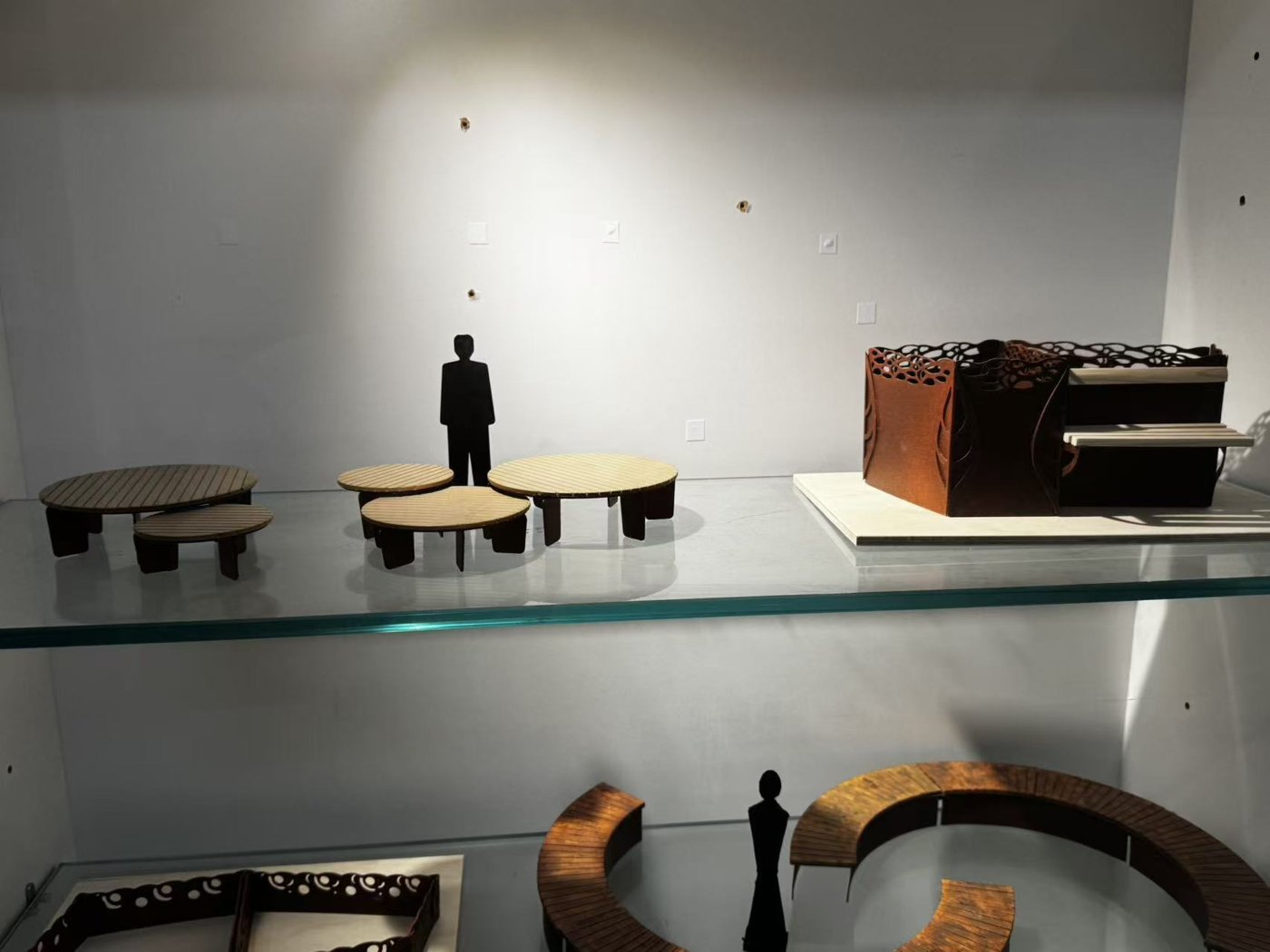
Wood and Weathered Steel
Where: glass display shelves in the AA wing.
What: scale models of outdoor seating. Wood slats on rusty-looking steel with laser-cut patterns. The small black figure shows the human scale.
Sheridan program: Interior Design / Furniture.
Warm wood and hard metal together make a nice contrast.
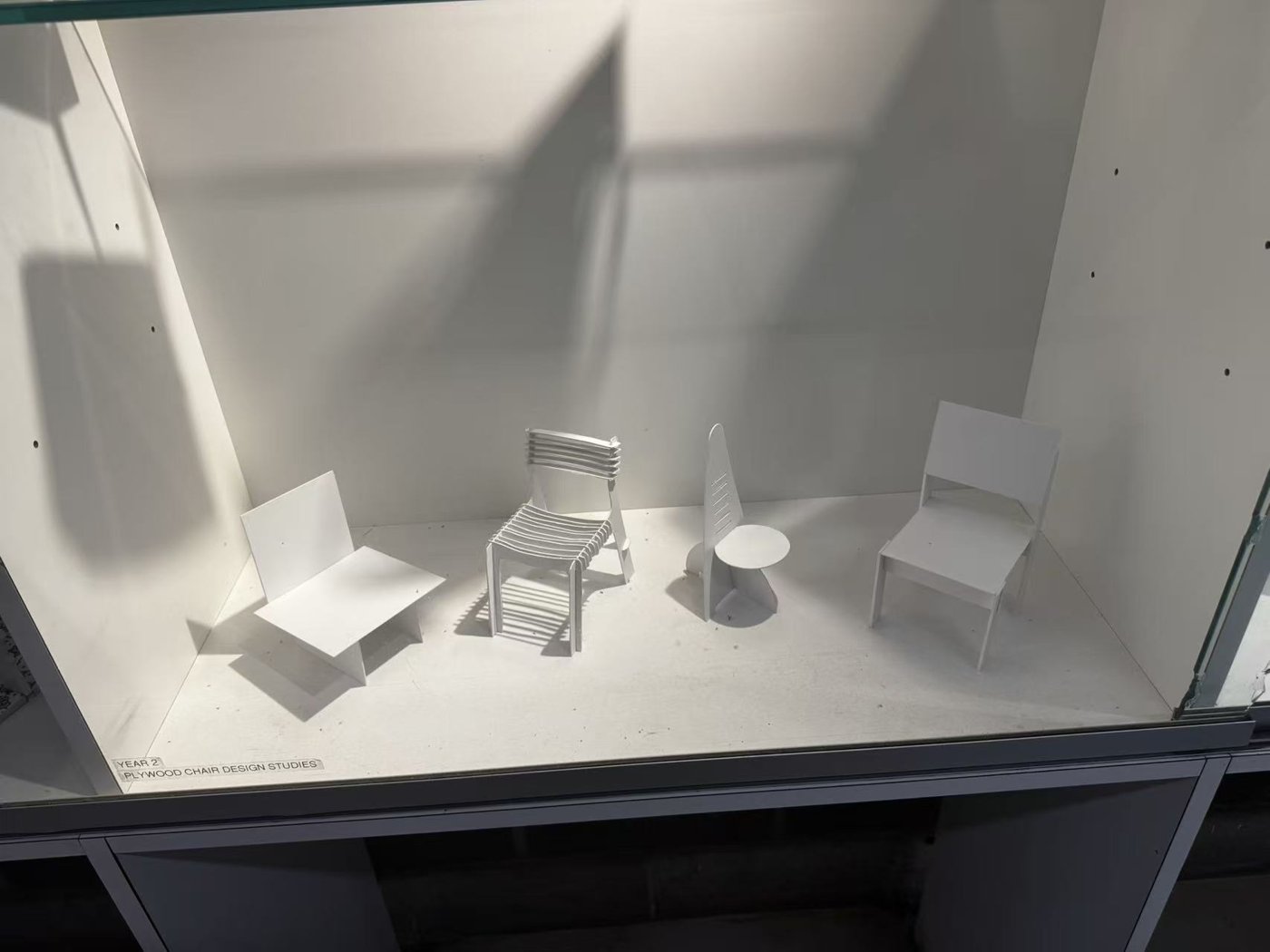
Plywood Chair Studies
Where: AA wing display, label “Year 2 – Plywood Chair Design Studies”.
What: small chair models made from flat sheets, cut and slotted together, painted white.
Sheridan program: Industrial Design.
Because everything is white, you only see the shape and the shadows.
Material Workshop 2
I looked at three small objects from home up close and indexed their materials: material state (raw / refined), plasticity (rigid / pliable) and use.
I was sick in Week 4 and missed the workshop. With my professor's permission, I completed it on my own using objects from home.
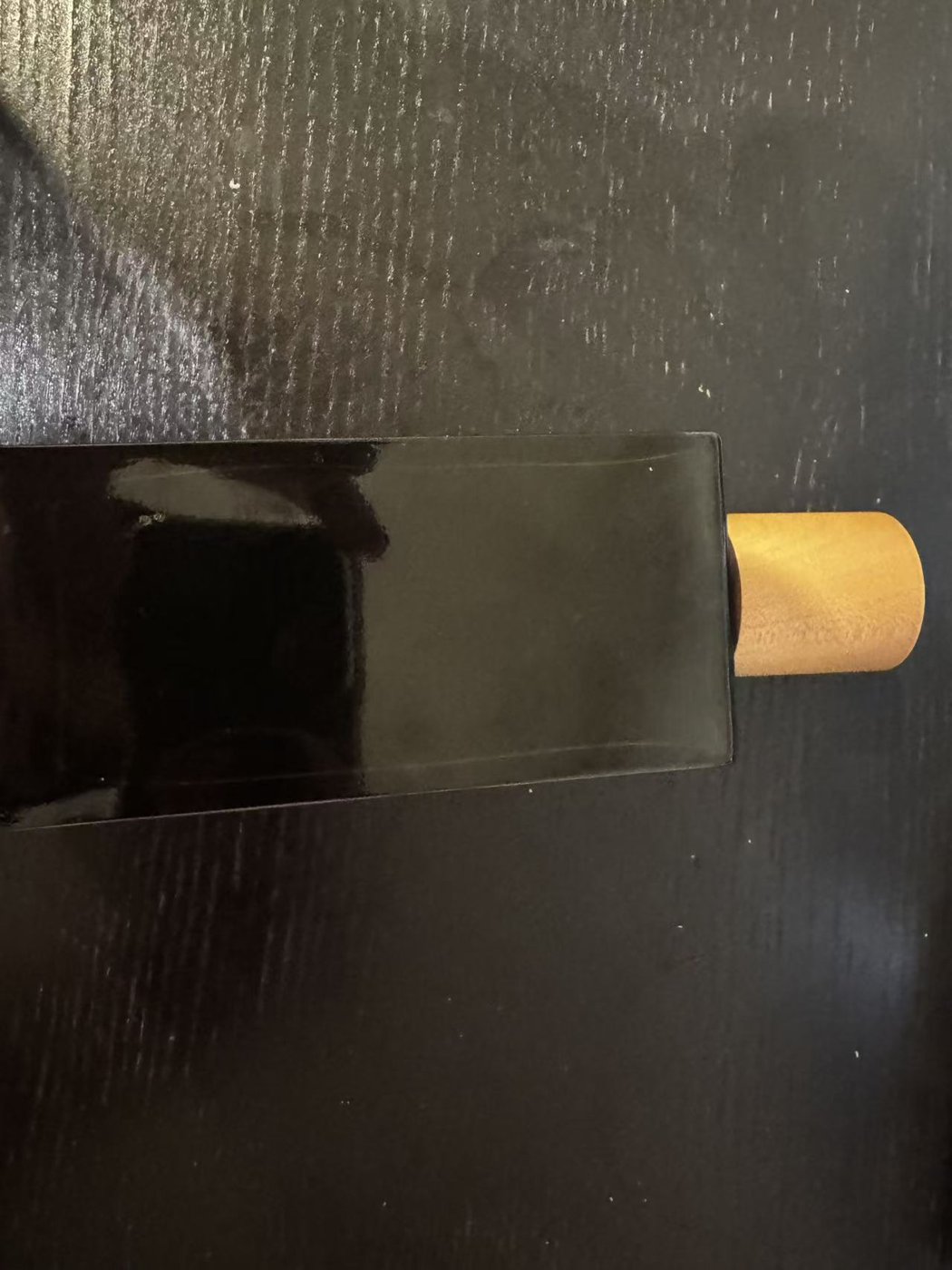
Perfume Bottle — Glass + Wood
Material state: refined. The glass is melted and shaped into a smooth, shiny bottle. The cap is solid wood, cut and polished.
Plasticity: rigid. Glass does not bend; it breaks if you drop it.
Use: holding and spraying perfume. The wood cap makes it feel warm and natural.
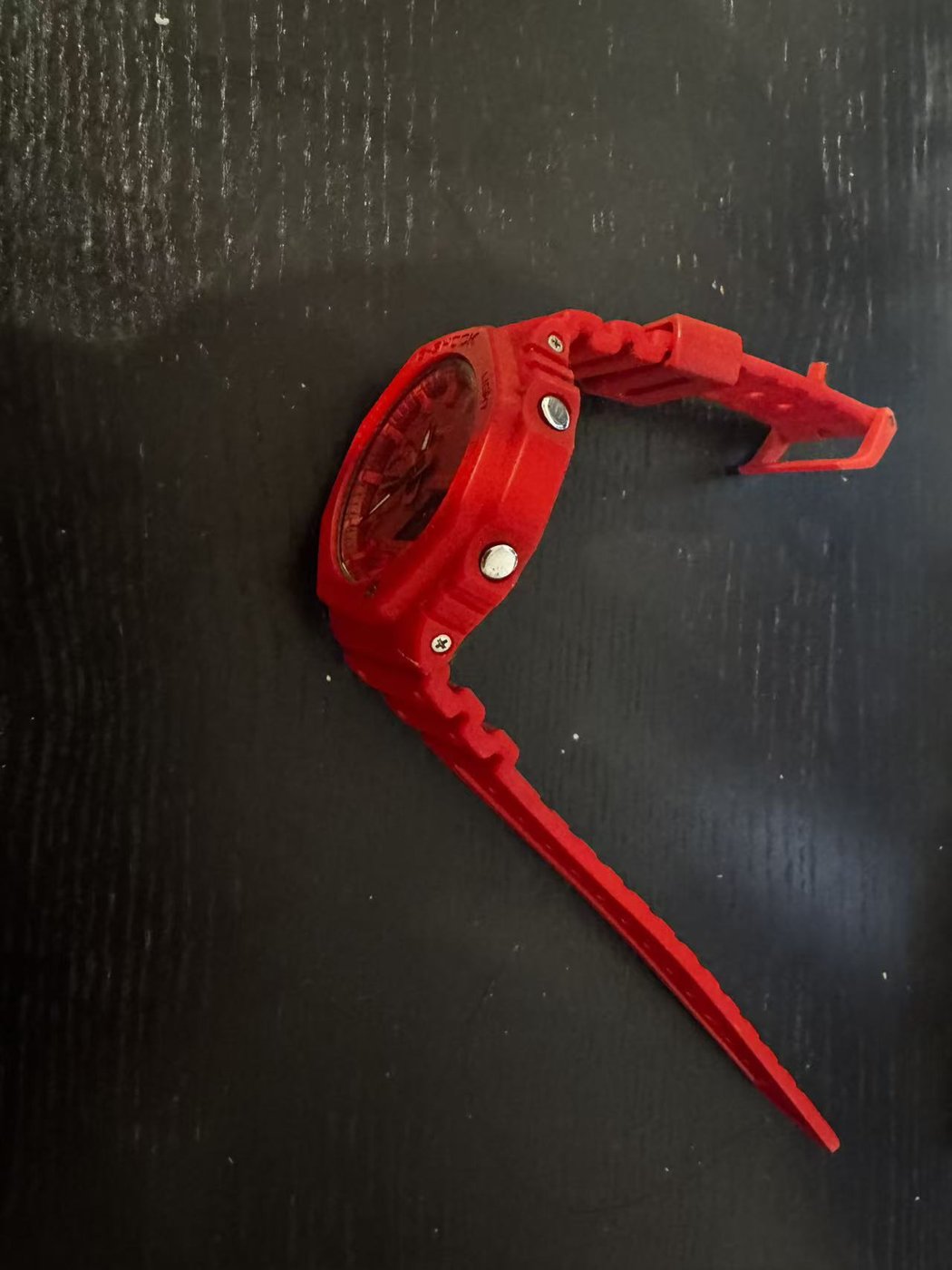
Sports Watch — Resin (Plastic)
Material state: refined. It is made of moulded resin (a kind of plastic), with small metal screws and buttons.
Plasticity: the strap is pliable and bends around the wrist; the case is more rigid.
Use: telling time. The soft, tough resin protects it during sports.
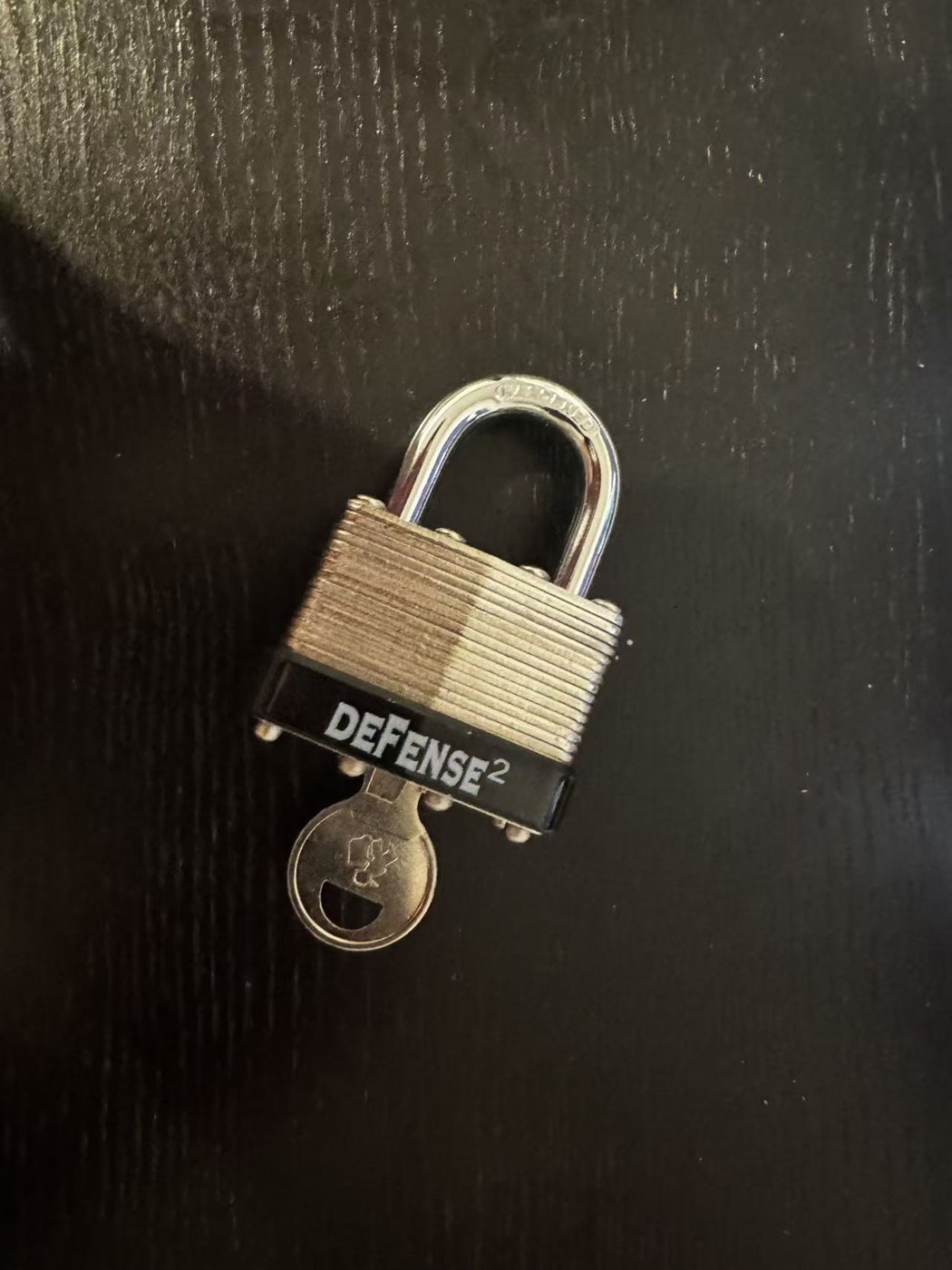
Padlock — Steel + Brass
Material state: refined. The body is made of many thin steel layers pressed together. The shackle is shiny chrome steel and the key is brass.
Plasticity: rigid. It is hard and strong, so it is difficult to break.
Use: locking lockers, bags or doors.
Project 1
Project 1 Models
Three everyday objects as signs and objects of desire — a hamburger (food), a gaming mouse (plastic) and a Ming-style chair (wood). All three were modelled and textured in Cinema 4D, exported as glTF and published with Google Model Viewer. Drag to rotate, scroll to zoom.
Published 3D Model 1: Hamburger
A classic sesame-seed hamburger, inspired by the Week 5 lecture on dopamine and “food porn”: food images are styled to make us want them before we taste them. The bun started as a sphere shaped with Taper; sesame seeds were placed with a Cloner and a Random effector; the lettuce and patty were shaped with a Displacer (Noise). Every layer uses a photo texture (my own bun photo plus cropped food images) so the burger looks appetising, not just correct. Material: organic / food.
Process
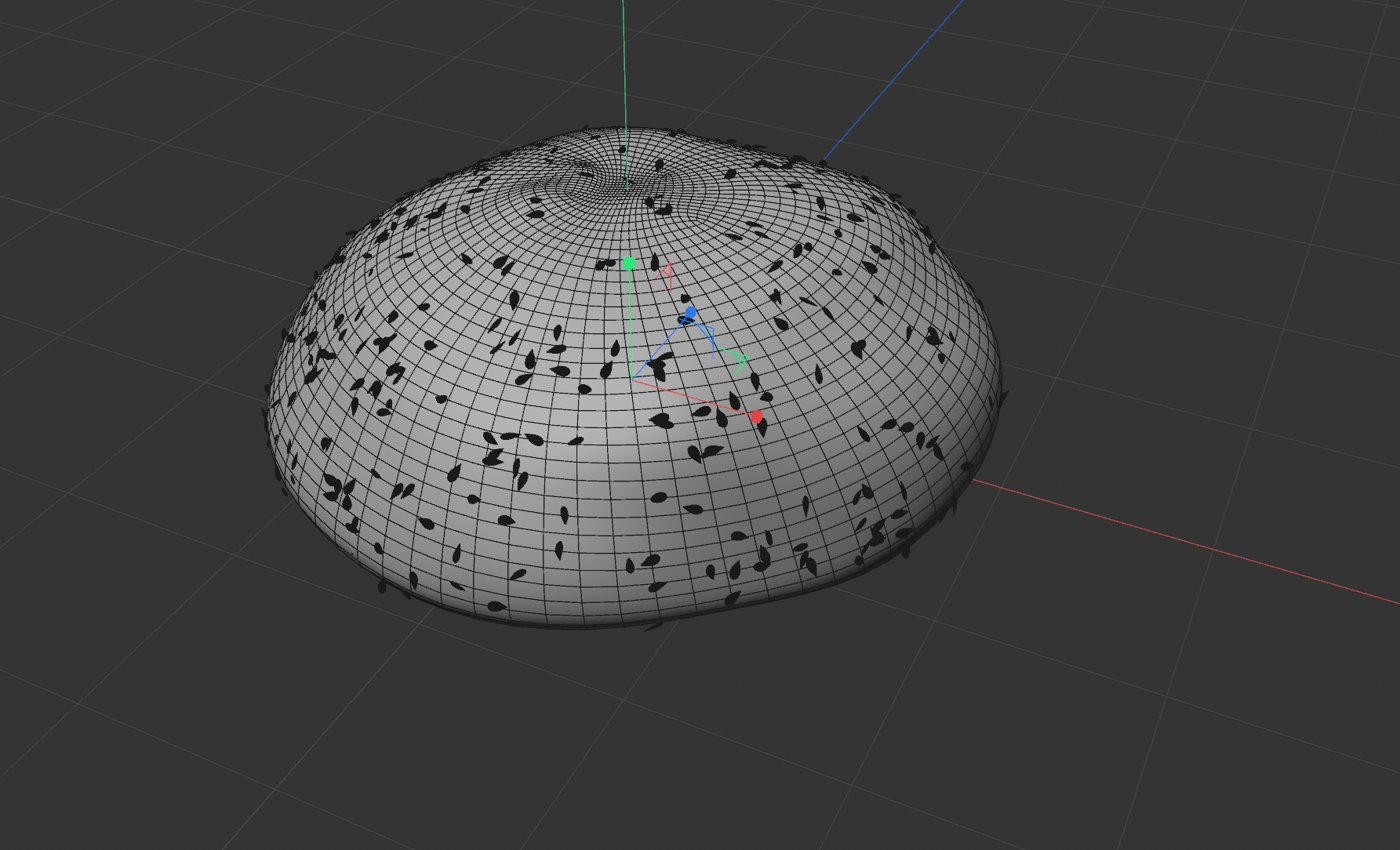
Sesame seeds: one seed cloned over the bun with a Random effector.
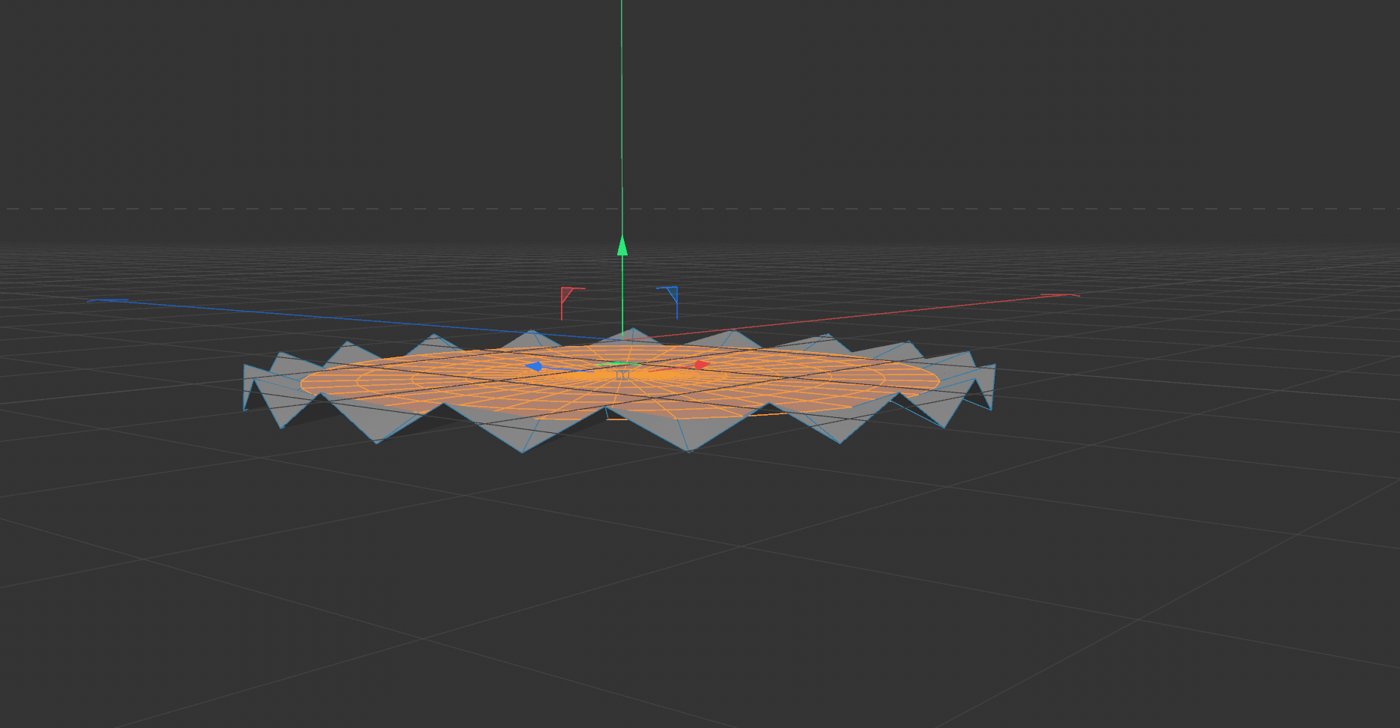
Challenge: the first lettuce Displacer was too jagged; a denser mesh fixed it.
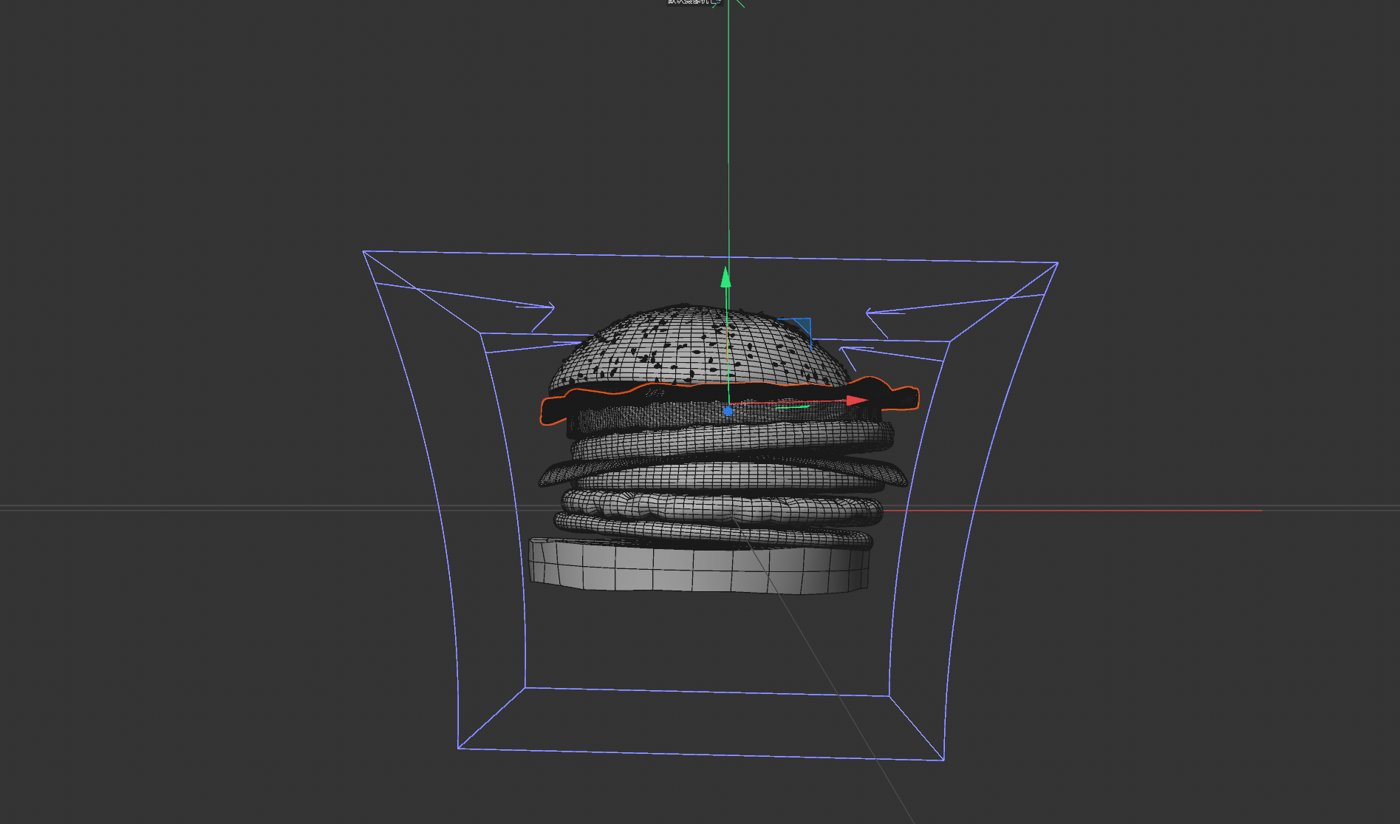
The full stack in wireframe before texturing.
Published 3D Model 2: Gaming Mouse
A gaming mouse modelled from my own reference photos (top, side and front). In gaming culture a mouse is also a sign of a hobby and an identity. I box-modelled it with Symmetry + Subdivision Surface and shaped it point by point — the hardest model, because a small mistake changed the whole outline. The scroll-wheel slot was cut with Boolean; the first time I turned it on, the whole mouse disappeared until I fixed the object order. Material: smooth refined plastic.
Process
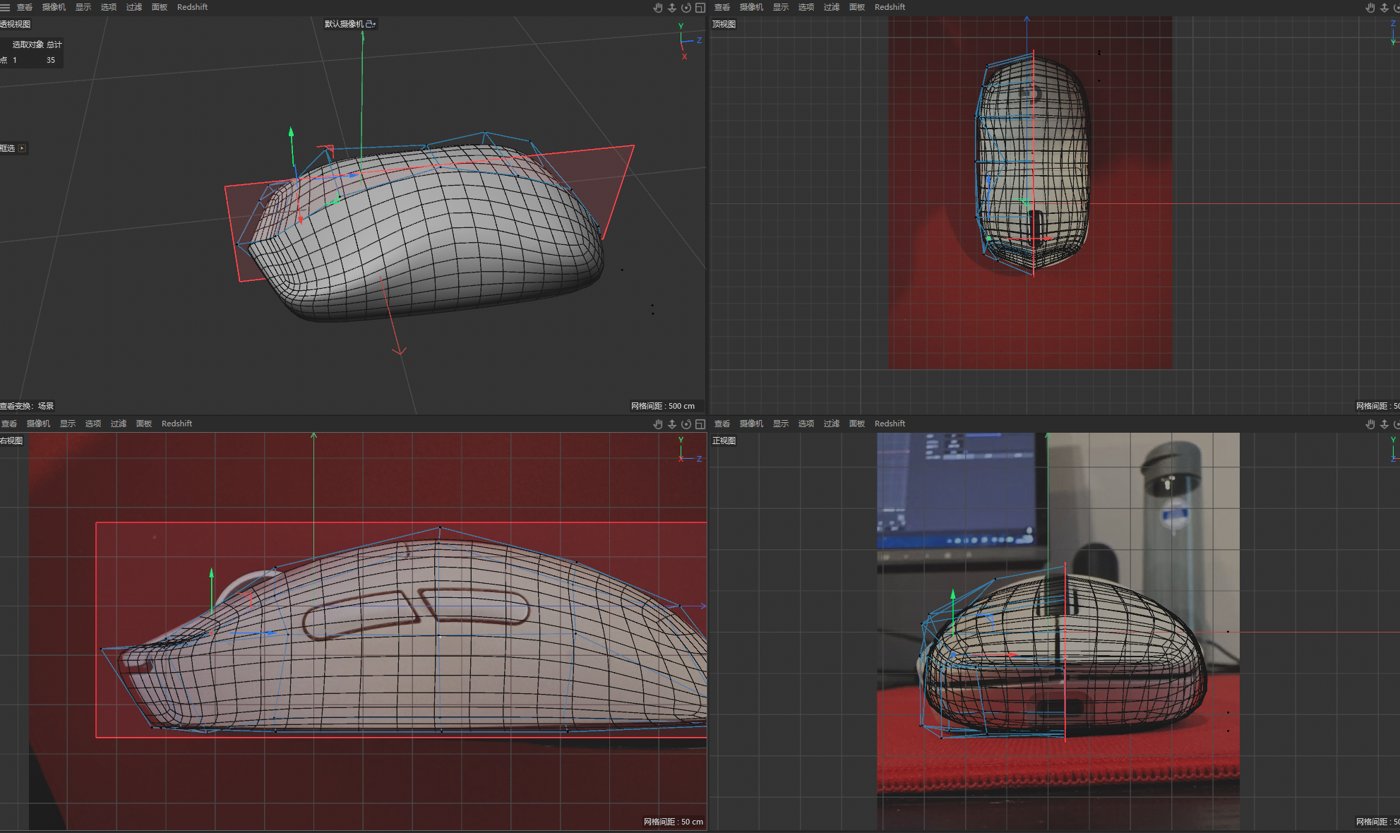
Pushing points one by one to match the side profile.
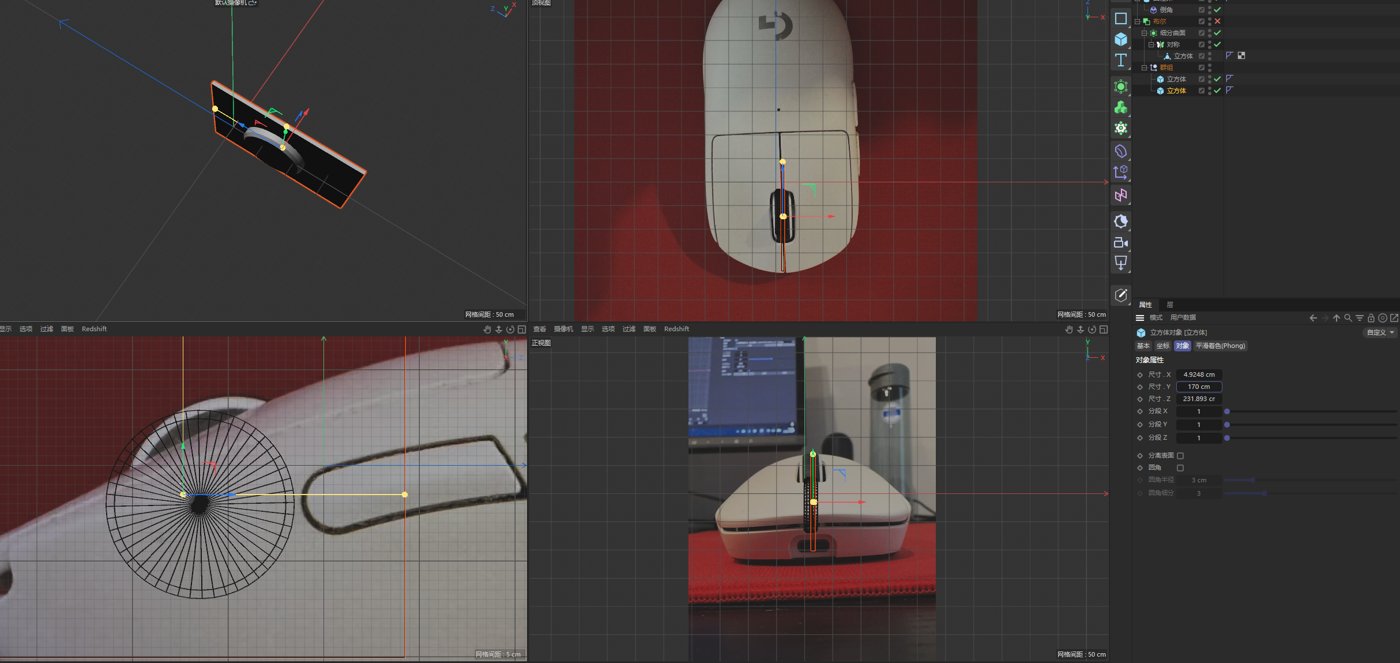
Failure: turning on Boolean made the whole mouse disappear.
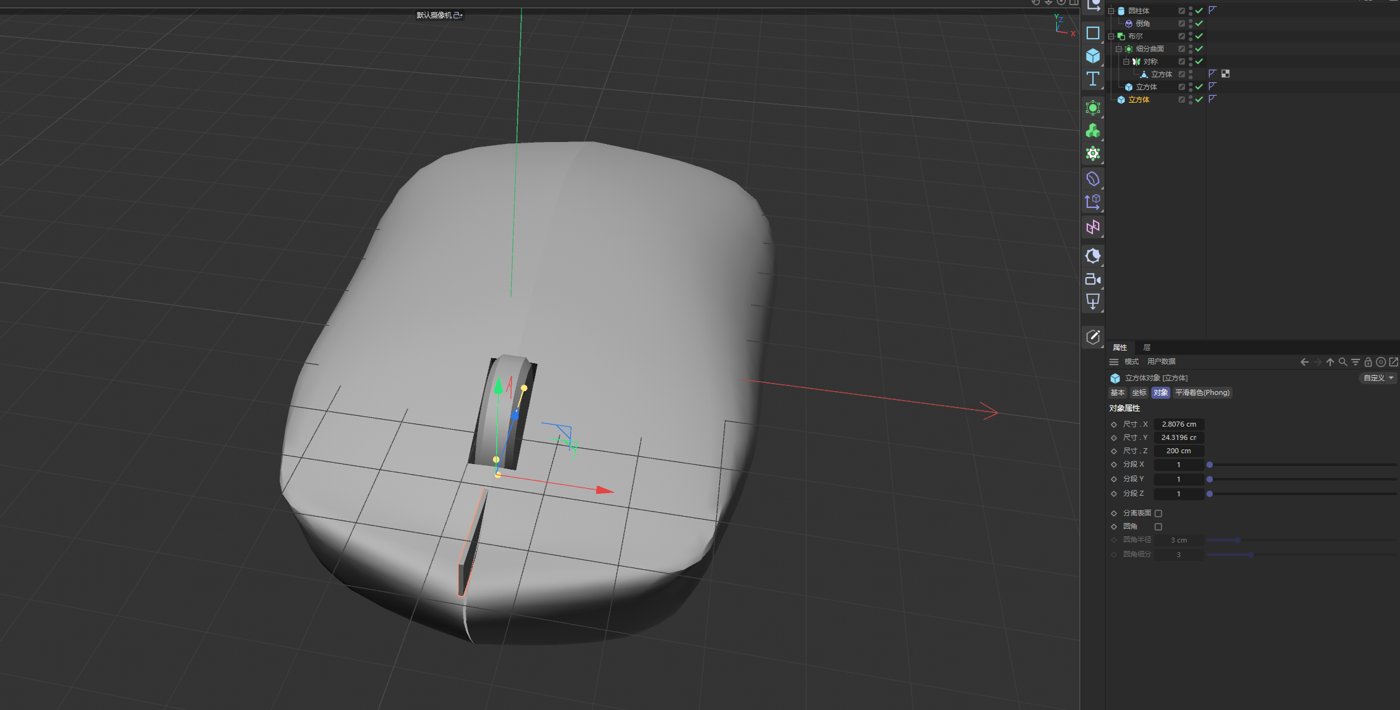
Fixed: the scroll-wheel slot cuts correctly.
Published 3D Model 3: Ming-style Yokeback Chair
A traditional Chinese yokeback (official’s hat) chair. In Ming China this chair was a status symbol, and its curved crest rail and back splat show it. I built it from simple cubes with Symmetry, used Bevel on many edges so the straight parts curve and look hand-carved, and bent the back splat with FFD. The procedural wood was lost on glTF export, so I replaced it with an image wood texture (ambientCG Wood096). Material: wood.
Process
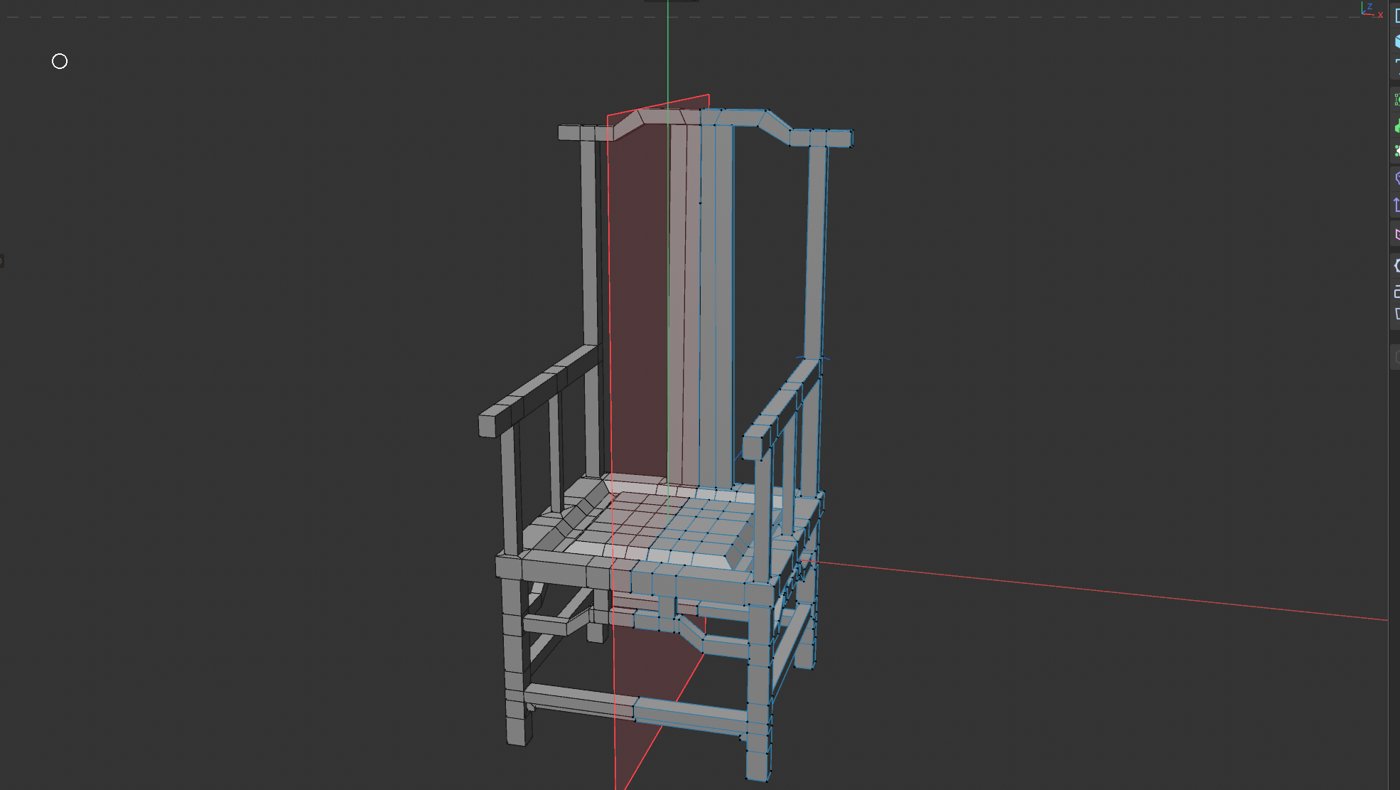
The full chair as a gray model.
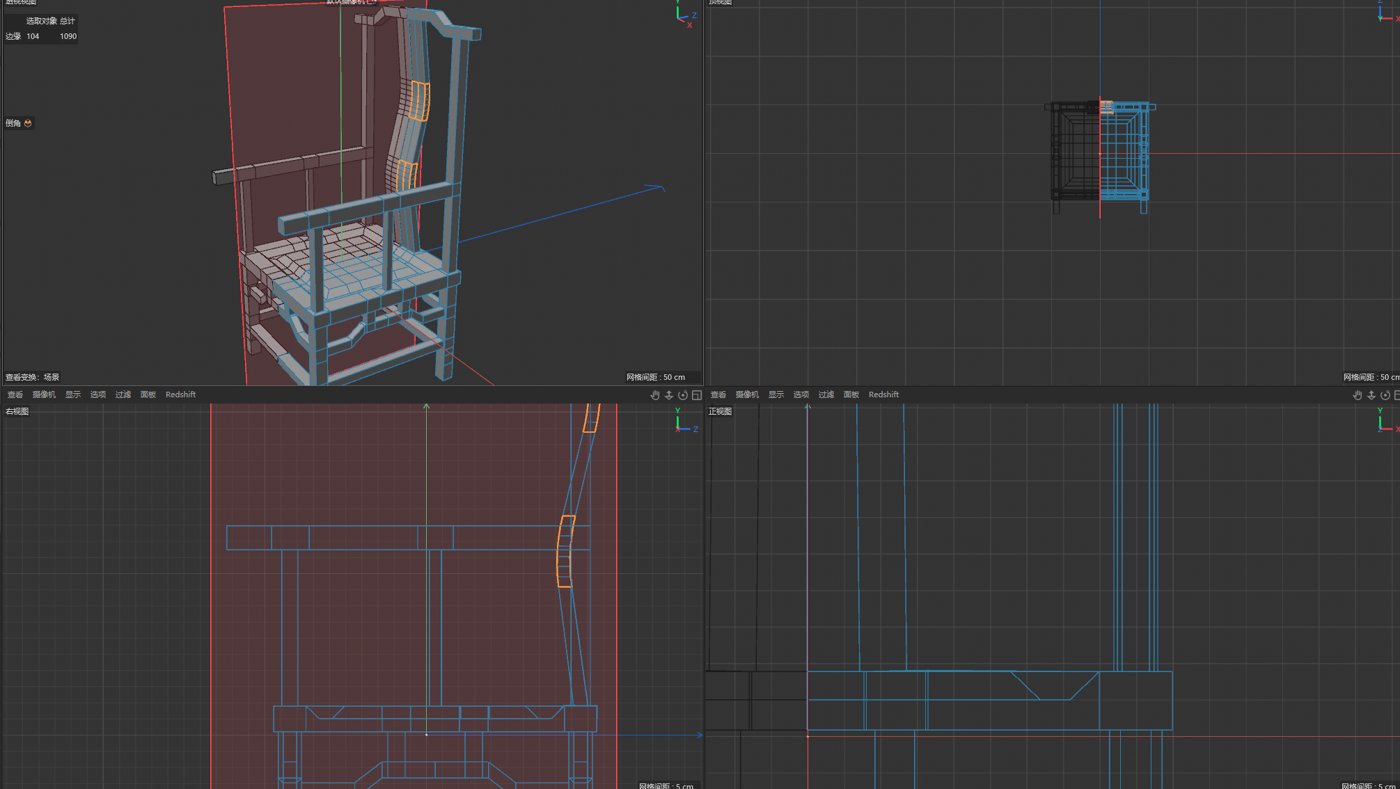
Using FFD to curve the back splat.
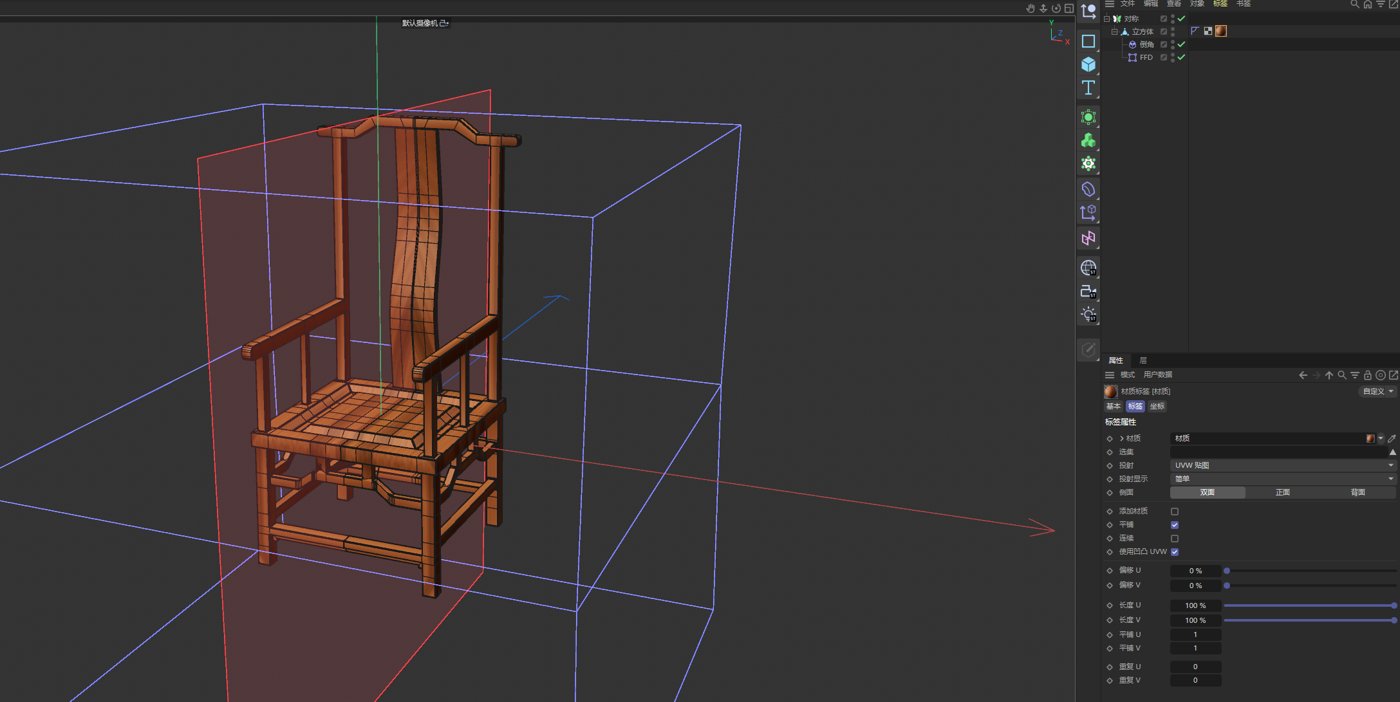
Wood texture applied in C4D.
Powered by w3.css